
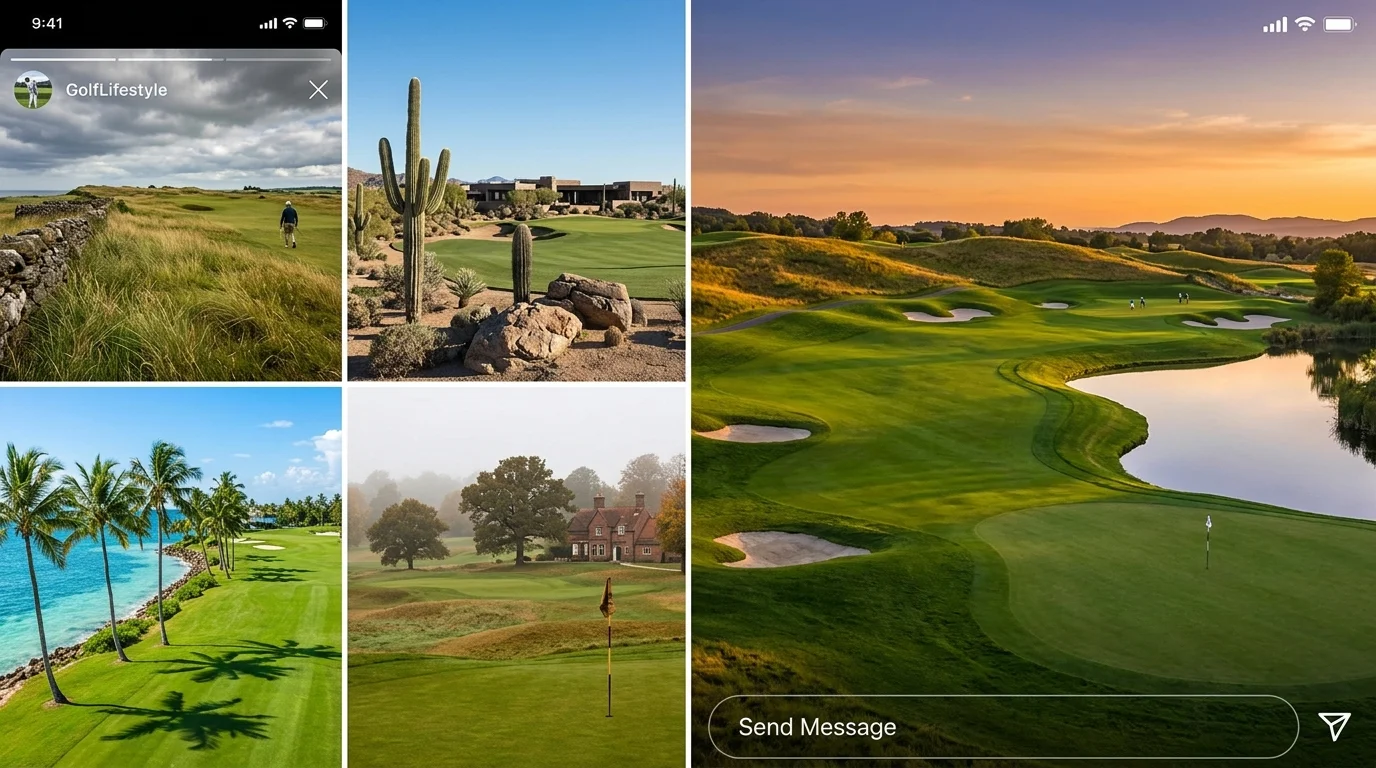
Why does every golf course aesthetic Instagram story you scroll past look so effortless? Because good ones follow a few simple rules: soft light, clean framing, and a little mystery. Golf courses hand you rolling greens, dew, and quiet mornings for free. You just need to frame them well. I learned that after a hundred blurry fairway shots.
This guide is for golfers, caddies, weekend range rats, and anyone who loves the preppy country club look without owning a membership. You will learn 30 story ideas, plus simple styling steps and pro tips for framing, lighting, and text overlays. I keep it practical and a little cheeky.
Sunrise Fairway Mist Story
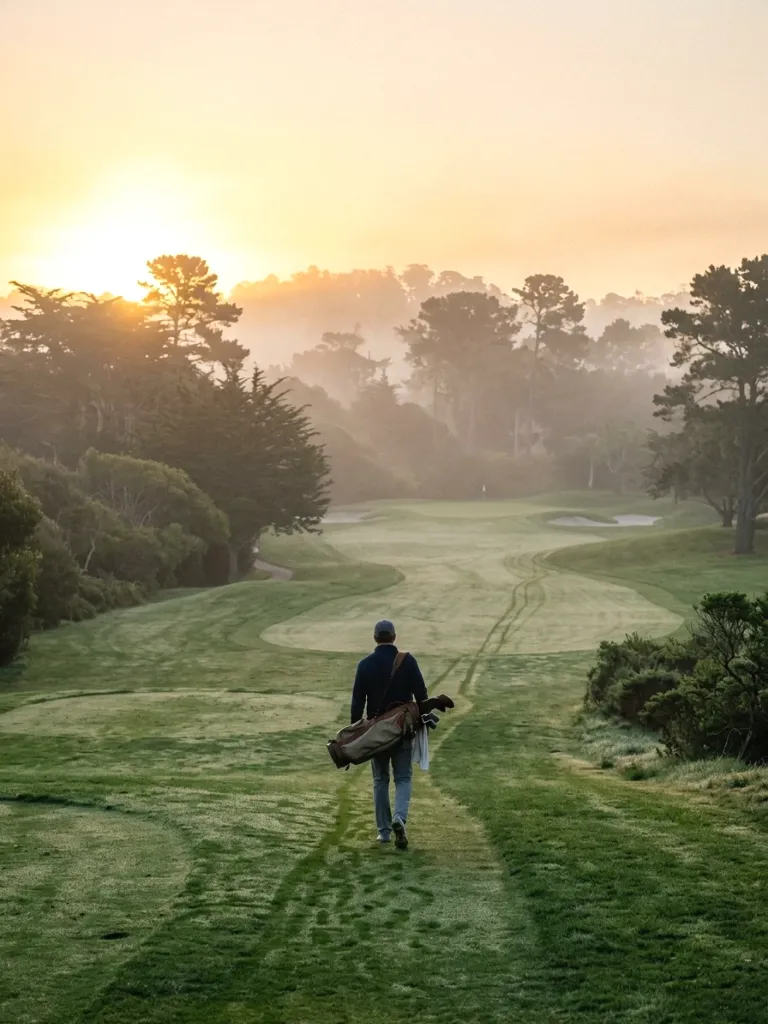
Early morning fog rolling across an empty fairway looks like a movie set. Stand near the tee box, aim low, and let the mist soften the distant tree line. This cool, quiet scene gives your golf course aesthetic Instagram story instant calm before anyone hits a shot.
Arrive 30 minutes before first light and shoot vertical at 9:16. Bump the highlights down slightly and keep the greens muted. Soft, cool tones suit minimalist and dreamy feeds because the fog hides clutter for you.
Pro Tips:
- Wipe your lens before you shoot, because morning dew fogs it fast.
- Add a tiny “6:42 AM” text stamp for a diary feel.
Golden Hour Putting Green Story
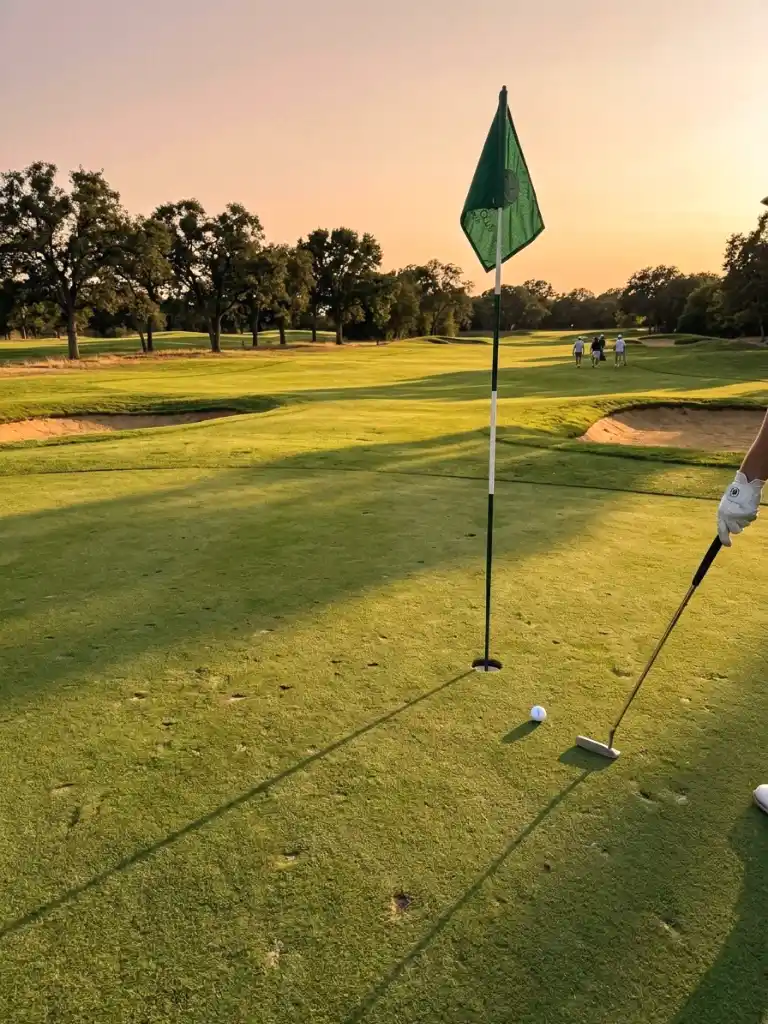
A putting green at golden hour glows like velvet. Low sunlight rakes across the grass and turns every blade into a tiny highlight. Crouch near the hole, shoot toward the sun, and let the flagstick and ball catch that warm rim light.
Tap to focus on the ball, then slide exposure down a notch. Warm light flatters preppy and old-school golf feeds because it adds richness without heavy filters. Record a short clip of the ball rolling for movement.
Pro Tips:
- Shoot 20 minutes before sunset, not at sunset, for softer shadows.
- Keep your own shadow out of the frame unless you want it there.
Dew-Covered Tee Box Story
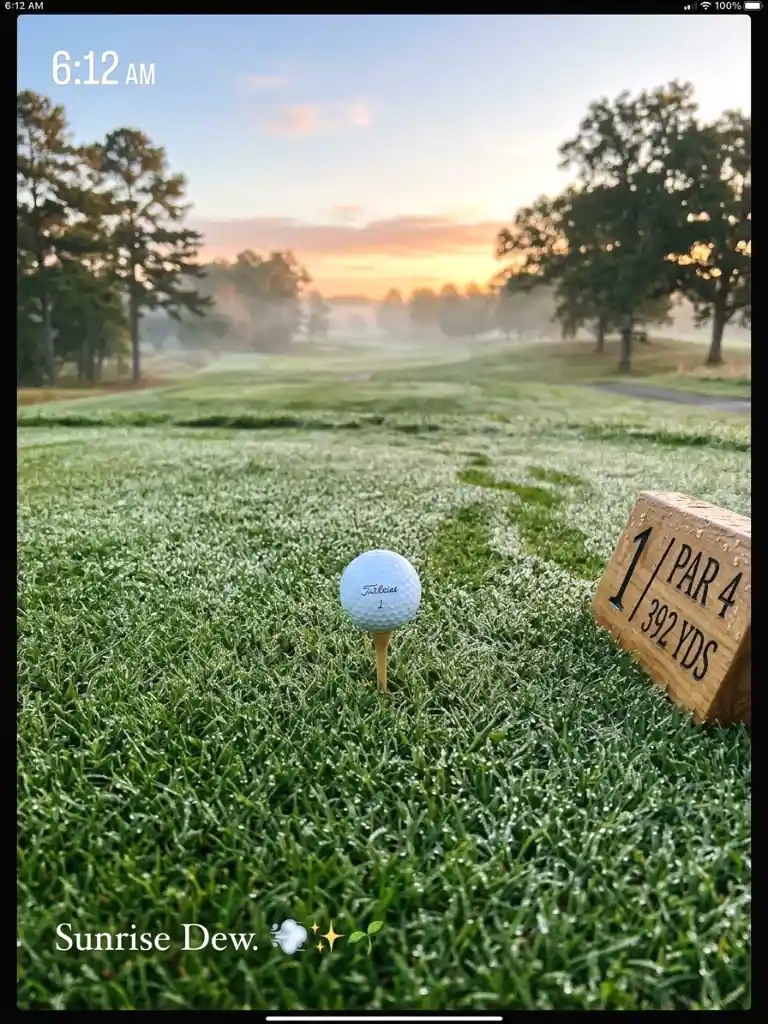
Dew turns a plain tee box into a sparkly close-up. Drop low, frame a single tee peg and ball, and let the wet grass blur behind them. Macro shots like this feel fresh because most golfers only post wide course views. I never get tired of them.
Use portrait mode or a clip-on macro lens for that creamy blur. Then add a short caption like “first tee, 7 AM.” Close, detailed shots suit story sequences because they slow the viewer down between wide scenes.
Pro Tips:
- Clean the ball first so it pops.
- Place this story between two wide shots for rhythm.
Flagstick Silhouette Story
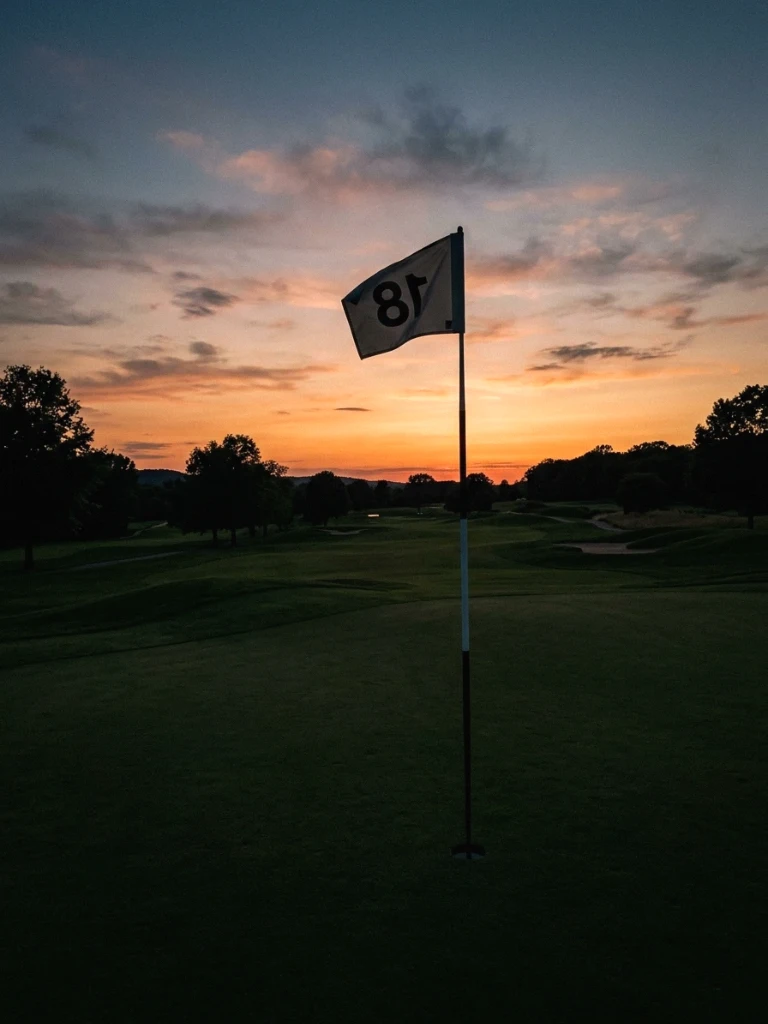
A flagstick against a pink or orange sky makes an easy, striking graphic. Position yourself so the pin sits just below the horizon line, then shoot upward. The thin pole and waving flag create a clean shape that needs almost no editing.
Lower the exposure until the flag turns black and the sky stays rich. Add a small line of text like “one more hole.” Silhouettes work for anyone who dislikes posting faces, and they suit dusk-lit feeds perfectly.
Pro Tips:
- Tap the brightest part of the sky to lock the exposure.
- Keep the flag off-center for better balance.
Clubhouse Flat Lay Story
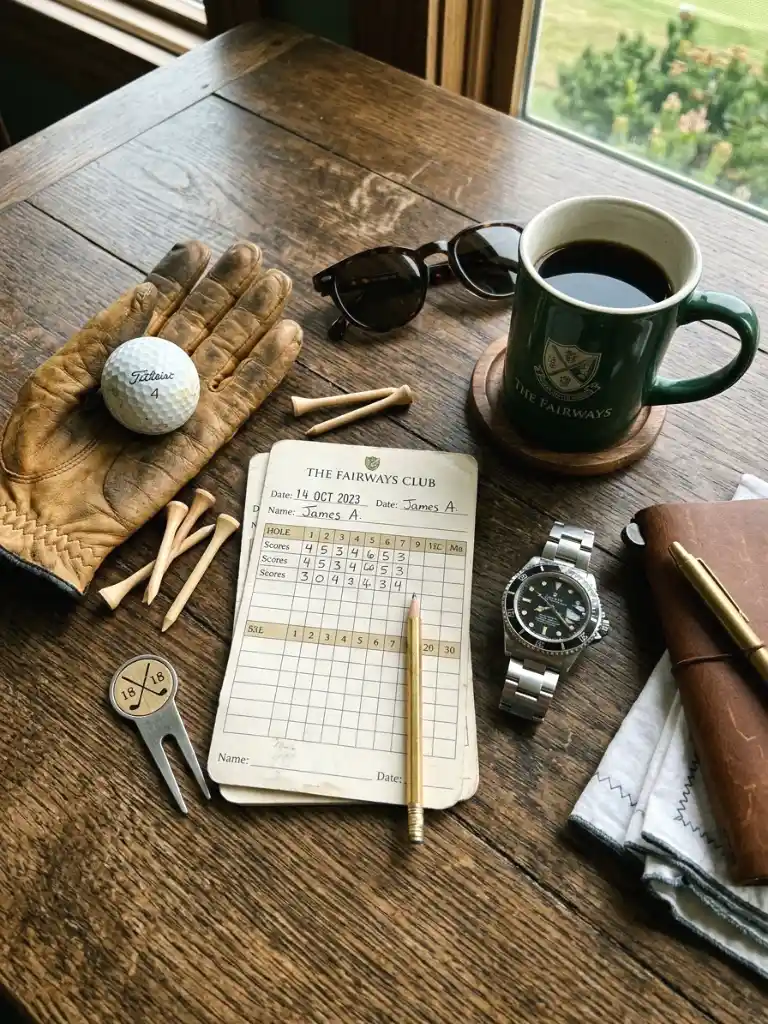
Flat lays turn your gear into a tiny still life. Arrange a glove, a few balls, a scorecard, and sunglasses on a wooden bench or clubhouse table. Shoot straight down so every object sits neatly in the frame, and the whole thing looks like a magazine spread.
Stick to two or three colors, such as white, green, and tan. Leave breathing space between items. Neutral, coordinated flat lays suit a country club aesthetic because they look curated, not cluttered.
Pro Tips:
- Use a linen napkin or leather scorecard holder as a backdrop.
- Shoot near a window or open-air patio for soft light.
Preppy Golf Fit Check Story
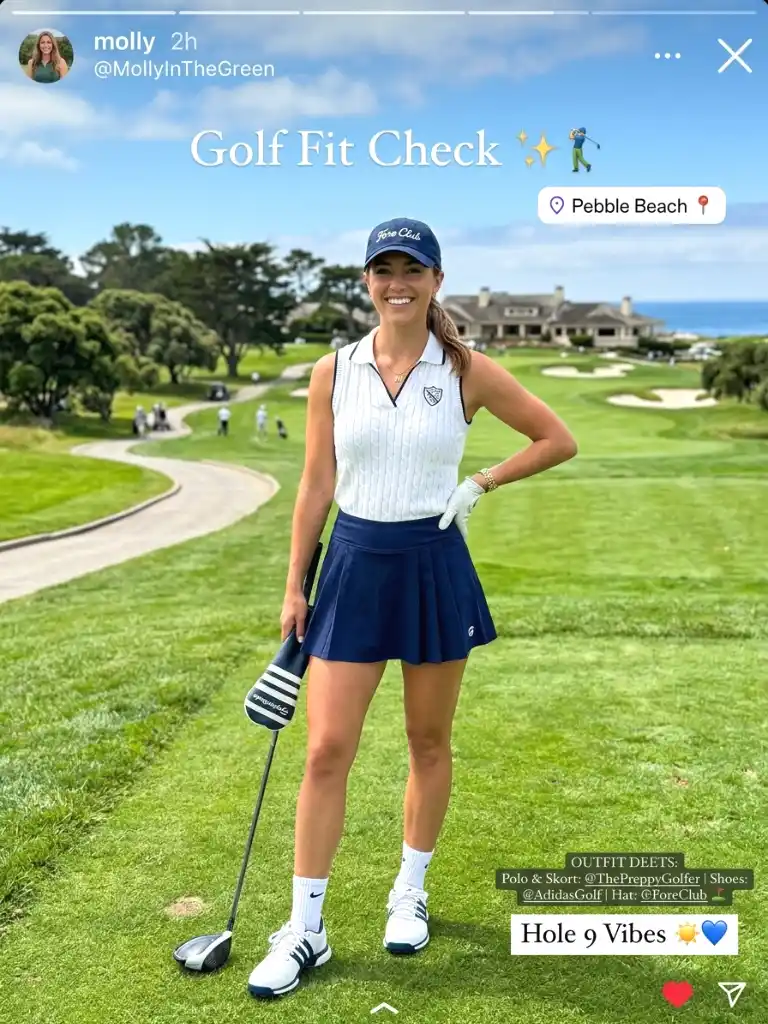
Your outfit deserves screen time. Snap a mirror or full-length shot in a polo, pleated skirt or chinos, and a crisp visor. The preppy golf outfit look pairs well with fairway backdrops, so step outside for one shot on the first tee.
Keep the palette tight: white, navy, and sage. Tag the brands with small text stickers. Fit checks work because viewers love outfit details, and the course backdrop instantly sets your golf aesthetic.
Pro Tips:
- Iron the polo, because wrinkles show on camera.
- Shoot at knee height for a longer-legged frame.
Golf Cart Ride Story
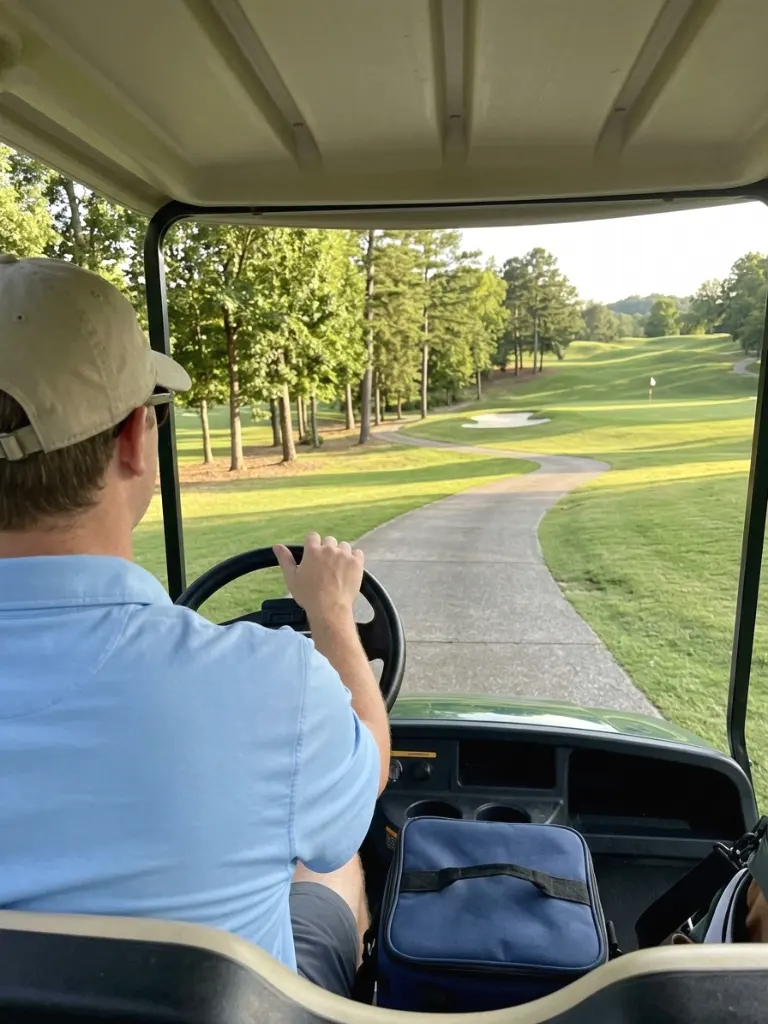
A golf cart ride feels like a mini road trip. Ask a friend to drive while you film from the passenger seat, and let the cart path curve through the trees. The gentle bounce adds real movement without any fancy editing.
Film 10 seconds of the path ahead, then cut to a shot of the wheels or a friend laughing. Quick, POV-style clips suit upbeat feeds because they feel spontaneous and fun. Add a laid-back song for the finishing touch.
Pro Tips:
- Hold the phone with both hands, since cart paths bump more than you expect.
- Trim each clip to under 5 seconds.
Sand Bunker Texture Story

Fresh-raked sand makes gorgeous patterns. Stand at the bunker edge and photograph the ripples with a hint of green grass at the border. The contrast between pale sand and deep turf gives your story a clean, graphic look. I treat it like abstract art.
Shoot from a low angle so the ridges catch shadow, and stay on the rim so your footprints stay out of the frame. Texture close-ups suit editorial-style feeds because they break up the usual wide landscapes.
Pro Tips:
- Shoot early, before players mess up the rake lines.
- Boost contrast slightly, not saturation.
Scorecard and Pencil Story
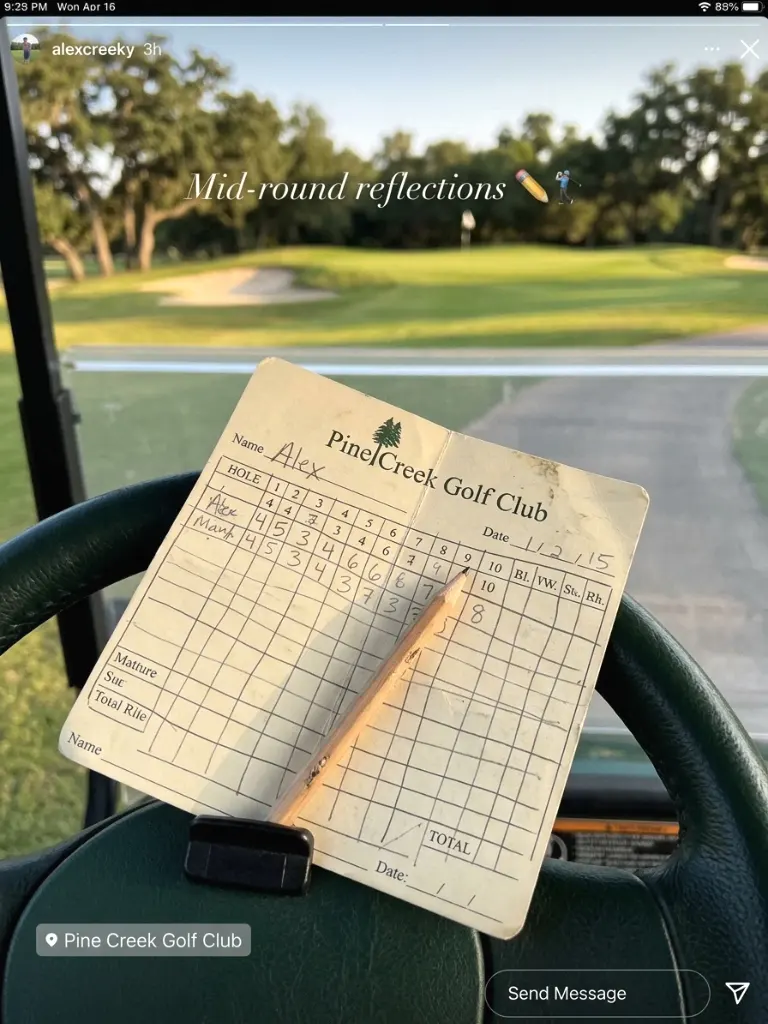
A scribbled scorecard tells a tiny story. Lay it on a cart steering wheel or bench with a golf pencil beside it. The handwritten numbers, small doodles, and coffee ring add personality that no template can copy. Yes, even my triple bogeys look charming here.
Shoot close so the text stays readable, and cover any personal details. Circle your best hole in red. Handwritten details work well for journal-style feeds because they feel honest and relatable.
Pro Tips:
- Use a wooden pencil for that vintage vibe.
- Add a “Birdie!” sticker on your best hole.
Ball on the Lip of the Cup Story
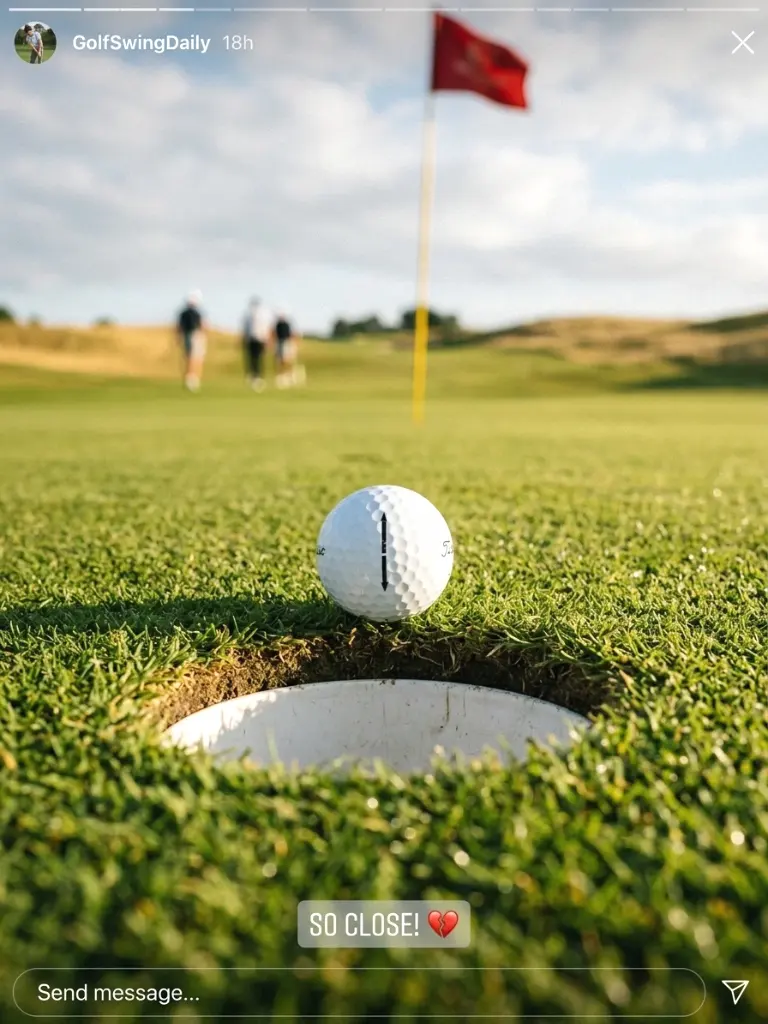
A ball hanging on the edge of the cup creates instant drama. Set it up on the practice green, get low, and shoot at cup level. Viewers love the tension, and the mowed stripes behind the hole add a tidy pattern. Rest your phone on the grass for stability.
Add a text sticker reading “so close” or “we don’t talk about this.” Playful captions suit humor-first feeds, and the shallow depth of field keeps attention on the ball. Tap to focus twice for a sharp result.
Pro Tips:
- Use burst mode to catch the perfect frame.
- Keep the caption to three words or fewer.
Old Money Country Club Story
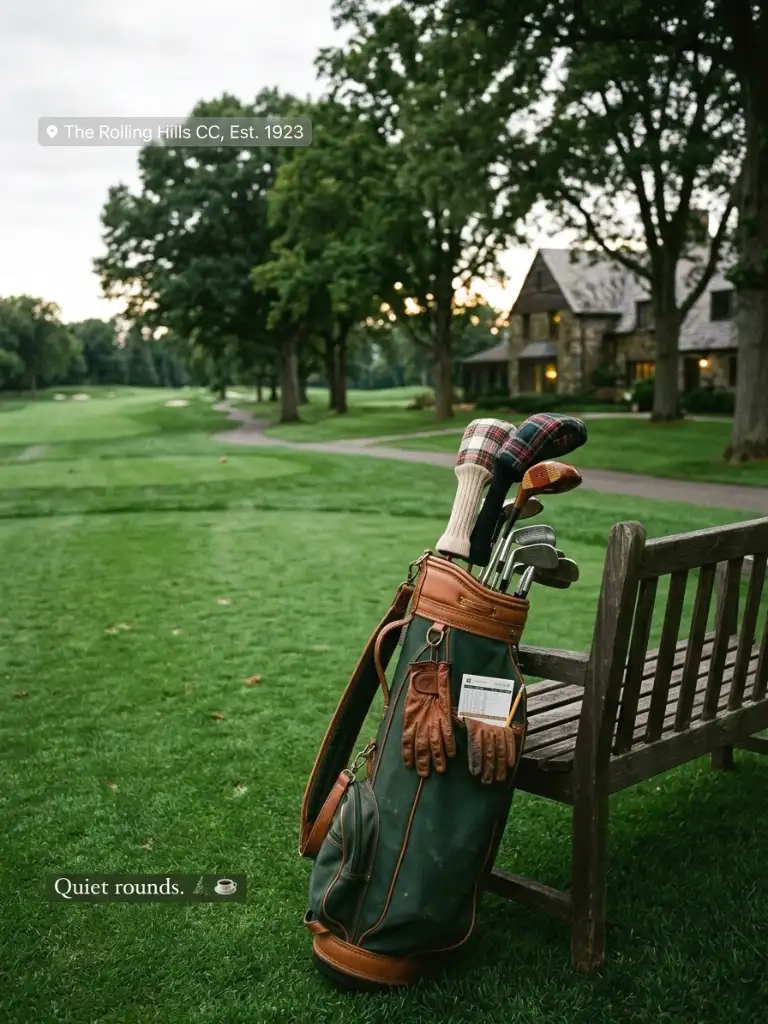
Old money aesthetics lean on stone, ivy, and quiet elegance. Photograph the clubhouse entrance, a wooden locker room bench, or a brass plaque with soft, straight framing. Stay neutral and symmetrical, and the scene looks polished even on a cloudy day.
Use a muted, slightly warm filter and keep text in a classic serif font. Symmetry and restraint suit quiet-luxury feeds because they signal taste without shouting. Ask permission before you photograph private areas.
Pro Tips:
- Straighten your lines with the grid overlay.
- Choose cream or navy text, never neon.
Drone-View Fairway Story
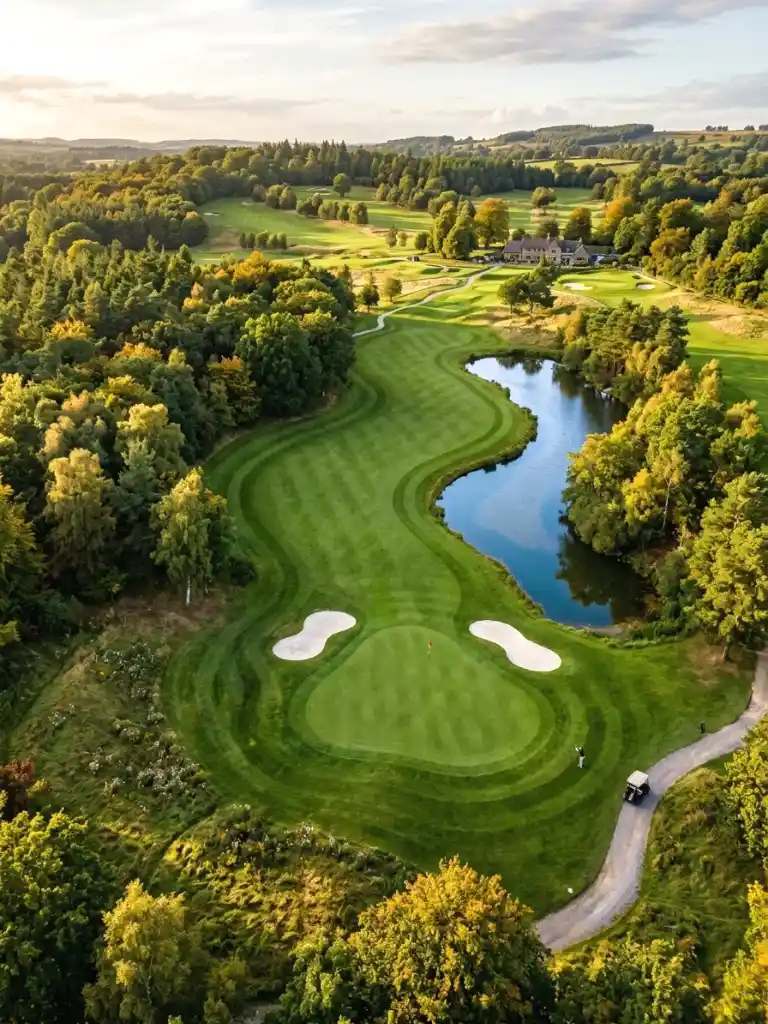
An aerial shot reveals the shape of the hole: the dogleg, the bunkers, the green tucked behind trees. Fly a drone at a safe height, or use a resort’s official aerial photos with permission, and film a slow forward pass. Golf architects design these holes to look great from above.
Keep the camera moving slowly and cut before the clip drifts. Overhead shots suit scenic and travel-focused feeds because they show scale. Pair them with a ground-level shot next for contrast.
Pro Tips:
- Check the course’s drone policy and local rules first.
- Fly early, when fewer players are around.
Swing Slow-Motion Story

A slow-motion swing shows off your form and the scenery in one clip. Set your phone on a tripod down the line, film at 240 fps, and let the club whip through the frame while the trees stay still. The result looks far more athletic than I feel.
Frame the full swing with headroom, and trim the clip to start right before takeaway. Slow-motion works for players who love technique content, and the swing gives your story a natural, satisfying peak.
Pro Tips:
- Wear a solid color so your silhouette reads clearly.
- Add a subtle whoosh sound effect.
Pastel Sunset Back-Nine Story
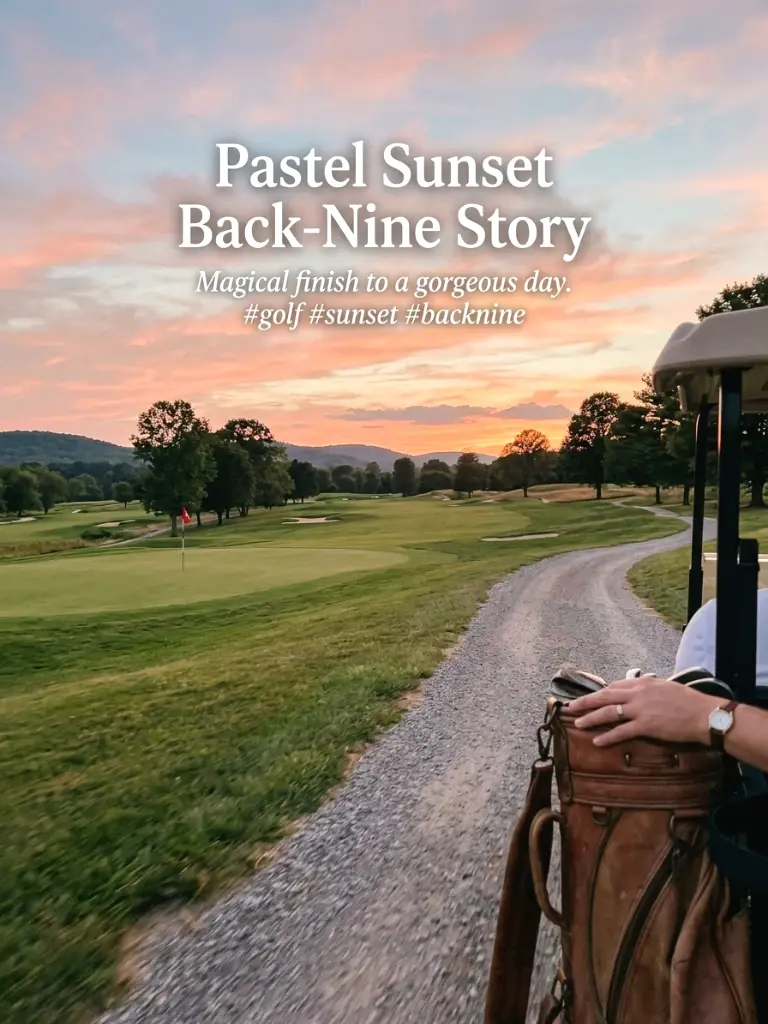
The back nine often catches the prettiest sky. Pink, peach, and lavender clouds settle above the fairway, and everything softens into dusk. Capture a wide scene with a golfer walking in the distance for a peaceful, cinematic feel. I plan my tee times around this light.
Lift the shadows slightly and add a touch of warmth. Keep text small and place it in the sky area. Pastel tones suit soft, romantic feeds and give every viewer a gentle end-of-day feeling.
Pro Tips:
- Check the sunset time before you book your tee time.
- Leave the top third of the frame empty for text.
Golf Bag Detail Story
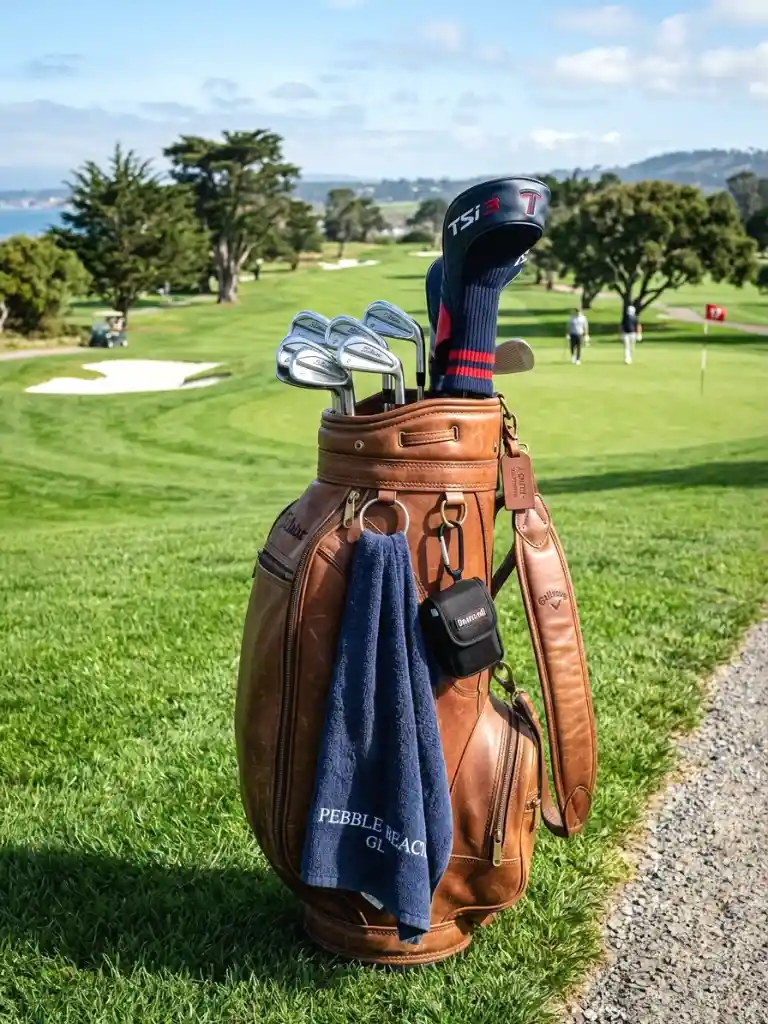
Your bag holds plenty of personality: headcovers, a leather towel, colorful tees, a ball marker collection. Zoom in on one detail, like a knitted headcover or a monogrammed tag, and let the rest blur out. I get compliments on my pom-pom headcover every time.
Pick one hero item and keep the background simple. Personal details suit lifestyle feeds because they show who you are, not just where you play. Follow it with a second detail in the next frame.
Pro Tips:
- Polish leather and wipe club heads first.
- Use a text sticker to name the item you love.
Driving Range Night Lights Story
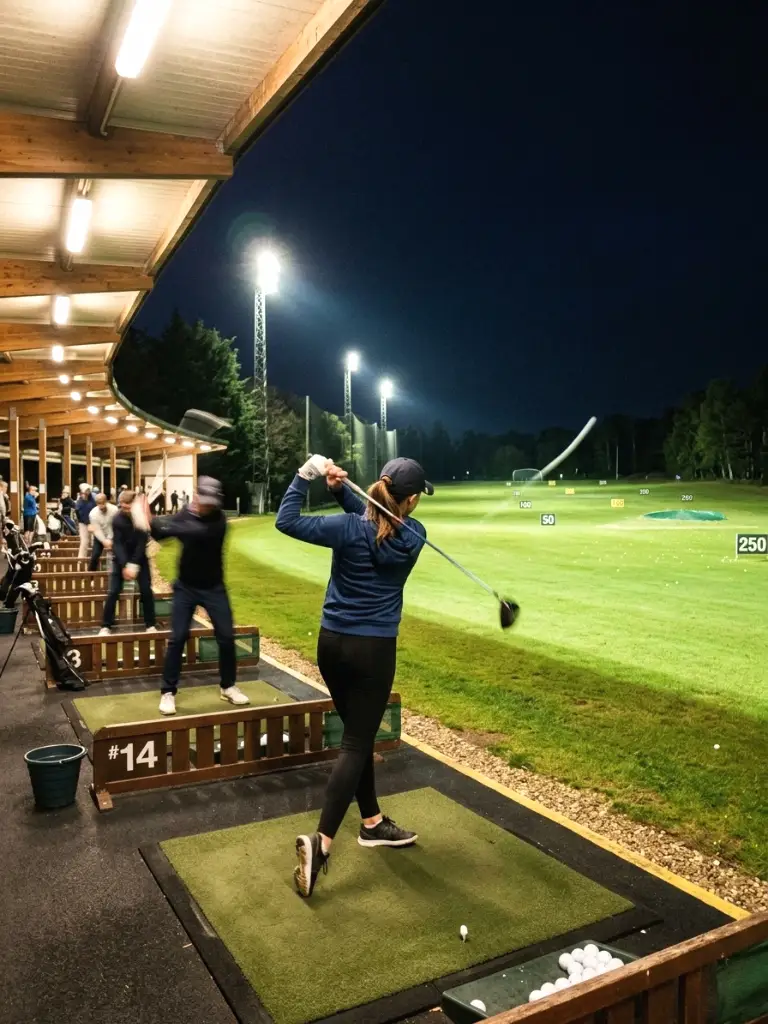
Night range sessions glow with floodlights and neon tracer arcs. Shoot from behind the bays and let the lights flare softly against the dark sky. The moody contrast feels edgy and fresh compared to typical daytime golf scenes. You get bonus points for a glowing ball trail.
Turn on night mode and steady your phone on a rail. Bump contrast, and keep the whites from clipping. Dark, neon-lit scenes suit streetwear and modern golf feeds because they break from the usual green palette.
Pro Tips:
- Tap on the brightest light and lower the exposure.
- Film a short clip of a ball launching for movement.
19th Hole Drink Story
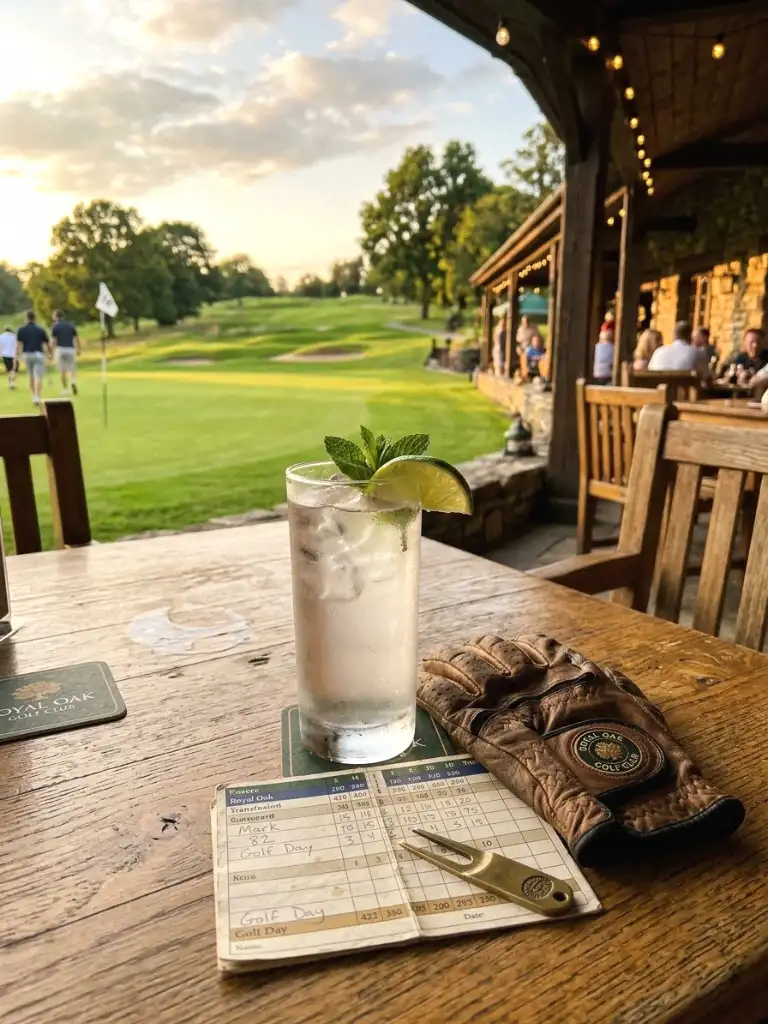
The 19th hole is where the real stories happen. Frame a cold lemonade, iced tea, or beer on a clubhouse table with the course softly blurred behind. Condensation on the glass adds instant freshness and makes viewers thirsty. Yes, hydration counts as part of the aesthetic.
Place the drink near a window or on a patio rail for clean light. Add a scorecard or your visor beside it. Relaxed, social scenes suit lifestyle and friendship feeds, and they invite replies.
Pro Tips:
- Add a lemon slice or mint leaf for color.
- Tag the clubhouse or bar for a friendly touch.
Course Map and Yardage Book Story
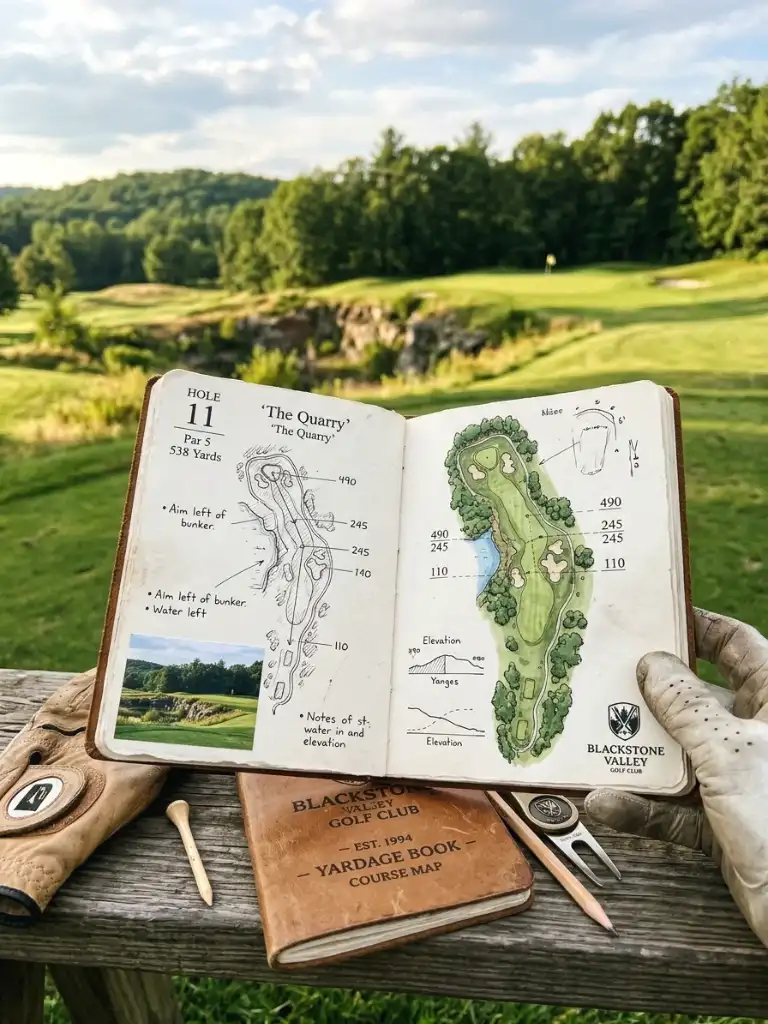
Yardage books look like tiny works of art, full of arrows, numbers, and hand-drawn hole layouts. Open one on your knee or a cart seat and photograph a single page. The vintage, technical look makes your story feel geeky in a charming way.
Highlight your target line with a colored pen and add a small arrow sticker. Detail-rich pages suit golf course photography fans and strategy nerds because they show the thinking behind each shot.
Pro Tips:
- Shoot in flat, even light to avoid glare on the paper.
- Zoom in on one hole, not the whole book.
Minimalist Text-Overlay Story
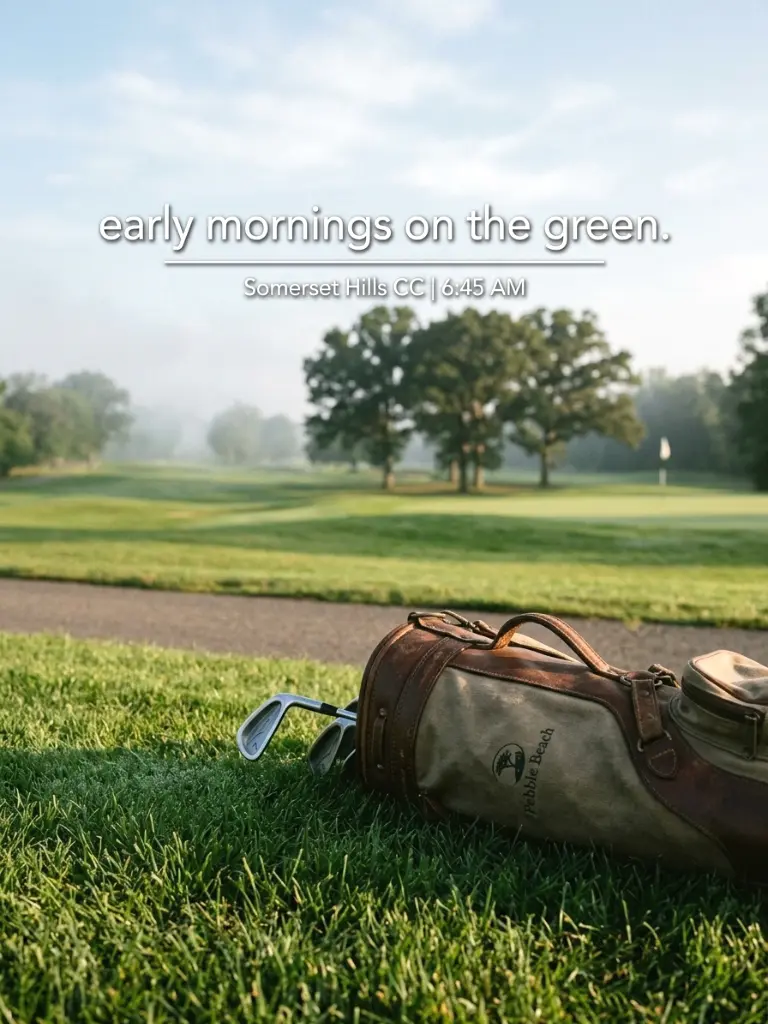
Sometimes the photo needs one sentence and nothing else. Pick a clean shot of green grass or blue sky and drop a short line of text in a thin sans serif font. White space does the heavy lifting here. I love how calm it feels.
Try lines like “tee time energy” or “fairway thoughts.” Center the text or align it left, but stay consistent. Simple typography suits busy readers because it lands the message in two seconds.
Pro Tips:
- Limit yourself to two fonts.
- Keep text inside the safe zone so buttons don’t cover it.
Film-Grain Vintage Golf Story
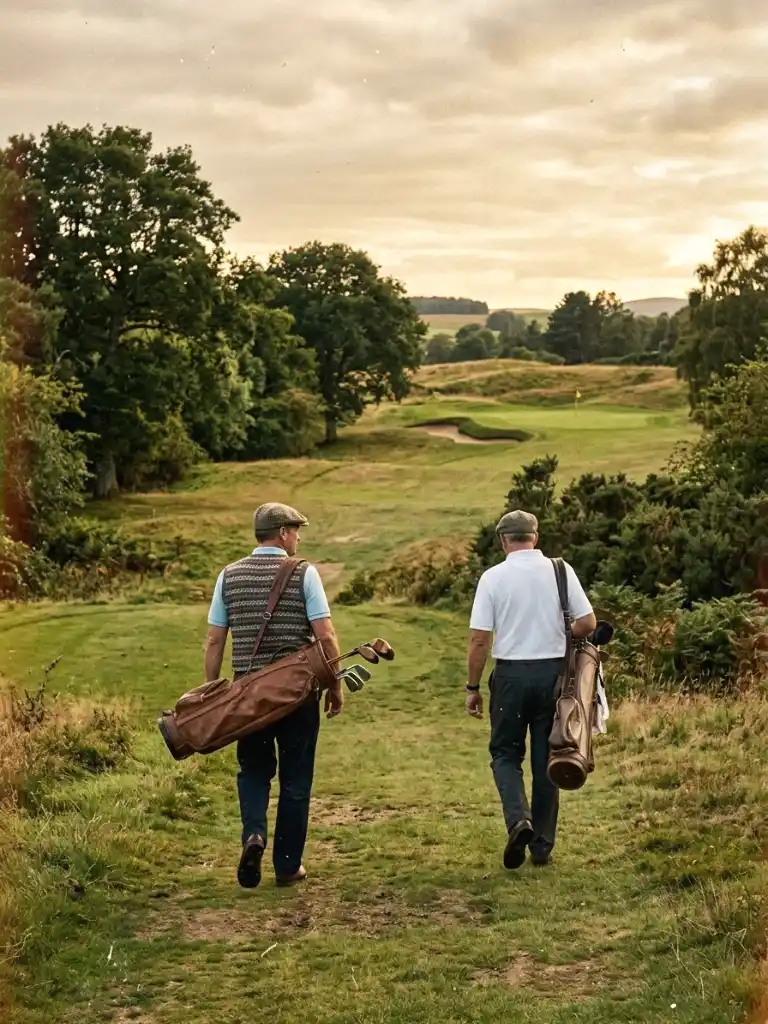
Grain and faded color make a modern course feel like a 1970s club scrapbook. Apply a film preset, shoot a classic scene like players walking a fairway, and add a date stamp in the corner. It feels warm, nostalgic, and slightly sun-bleached.
Reduce sharpness and raise grain to about 25 percent. Choose warm greens, not neon ones. Nostalgic edits suit vintage-loving golfers, especially anyone who dreams about Augusta National in spring.
Pro Tips:
- Stick with one preset across your whole story.
- Add a tiny date stamp in orange for a retro touch.
Water Hazard Reflection Story
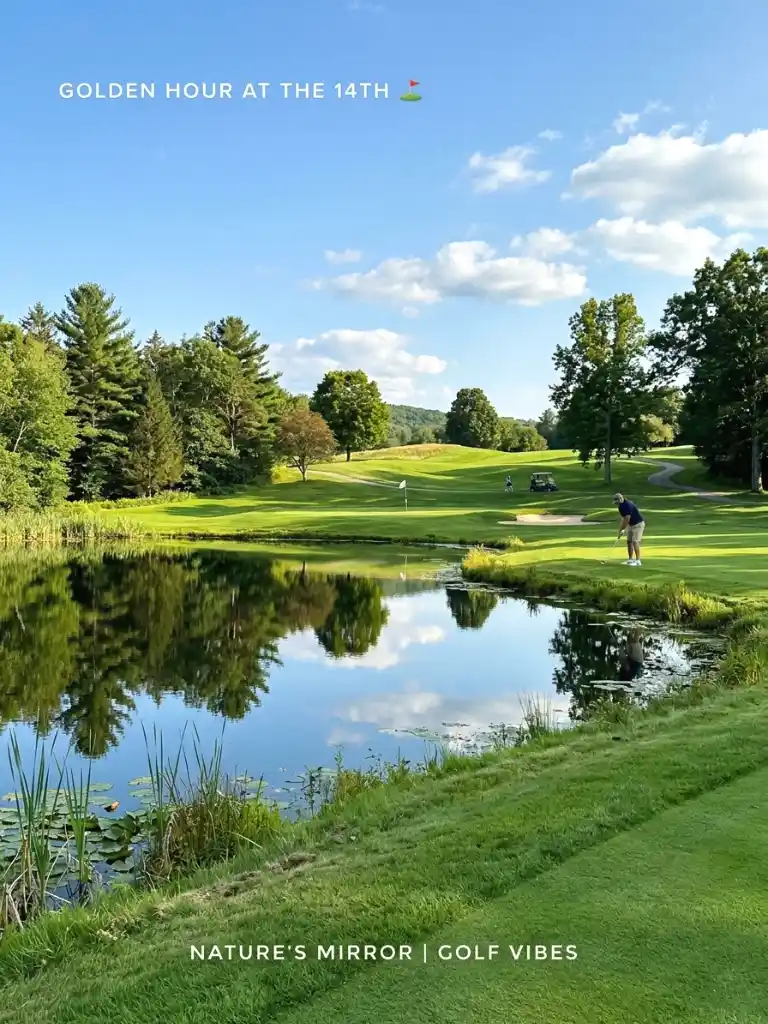
Still ponds mirror the sky, trees, and even the flag on a calm morning. Stand at the water’s edge and frame the reflection so the horizon splits the image in half. The symmetry looks serene and quietly luxurious. My ball also loves the pond, but that’s a different story.
Keep your phone level and crop tight to avoid stray litter or geese. A small ripple adds life. Symmetrical shots suit peaceful, mindful feeds and help viewers slow down.
Pro Tips:
- Wait for the wind to drop before you shoot.
- Use a clip-on polarizing filter to cut glare.
Tree-Lined Fairway Frame Story
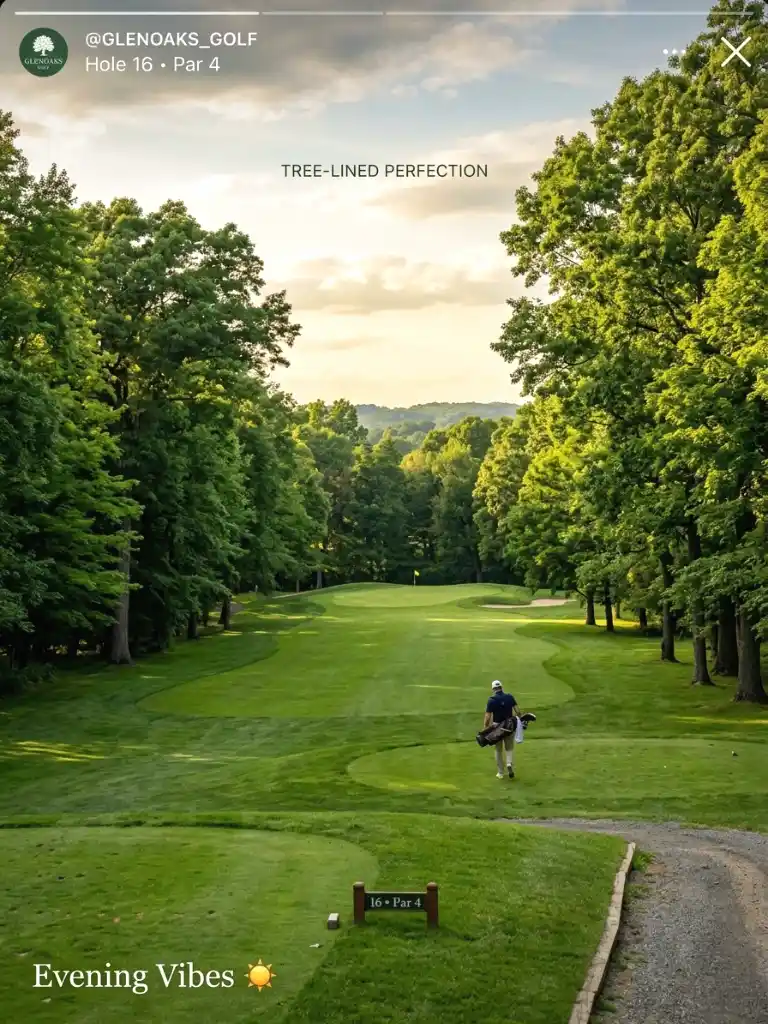
Tall trees create a natural frame around the fairway. Stand on the tee and shoot straight down the corridor so the lines lead to the green. The composition feels grand, and it pulls viewers deeper into the scene. It works on any course.
Center the flag or the vanishing point, and keep verticals straight. Leading lines suit anyone who loves landscape photography because they guide the eye. Add a small golfer in the distance for scale.
Pro Tips:
- Turn on the grid lines in your camera.
- Wait for a golfer to walk into the frame.
Golf Glove and Hand Detail Story
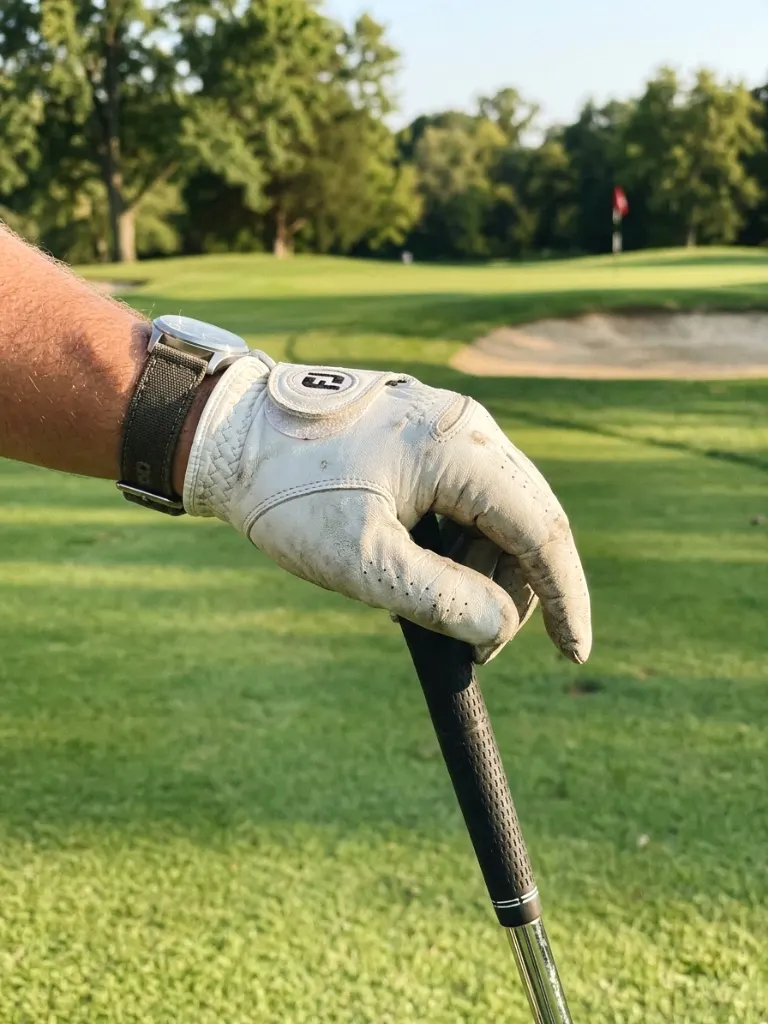
Hands tell the game. Capture your glove gripping the club, or your fingers holding a ball marker, with soft grass behind. Close, personal shots create warmth in a story full of wide landscapes. A little chipped nail polish only adds charm.
Shoot from the golfer’s eye view and keep the frame tight. Hand and grip details suit game-focused feeds, and they add a human touch without a full selfie. Try a soft, warm filter.
Pro Tips:
- Clean your glove and grip before filming.
- Use natural light from the side for texture.
Sprinkler Golden Spray Story

Morning sprinklers throw glittering arcs of water across the grass. Stand back with the sun behind the spray and zoom in slightly to compress the scene. The droplets glow like tiny lights, which looks magical in video and still shots. Watch your shoes, though.
Shoot in slow motion or use a live photo. Backlit water suits dreamy feeds because light passes through each droplet. Keep a safe distance so your phone stays dry.
Pro Tips:
- Ask the groundskeeper about sprinkler timing.
- Stay out of active play zones.
Caddie Walk Behind-the-Scenes Story
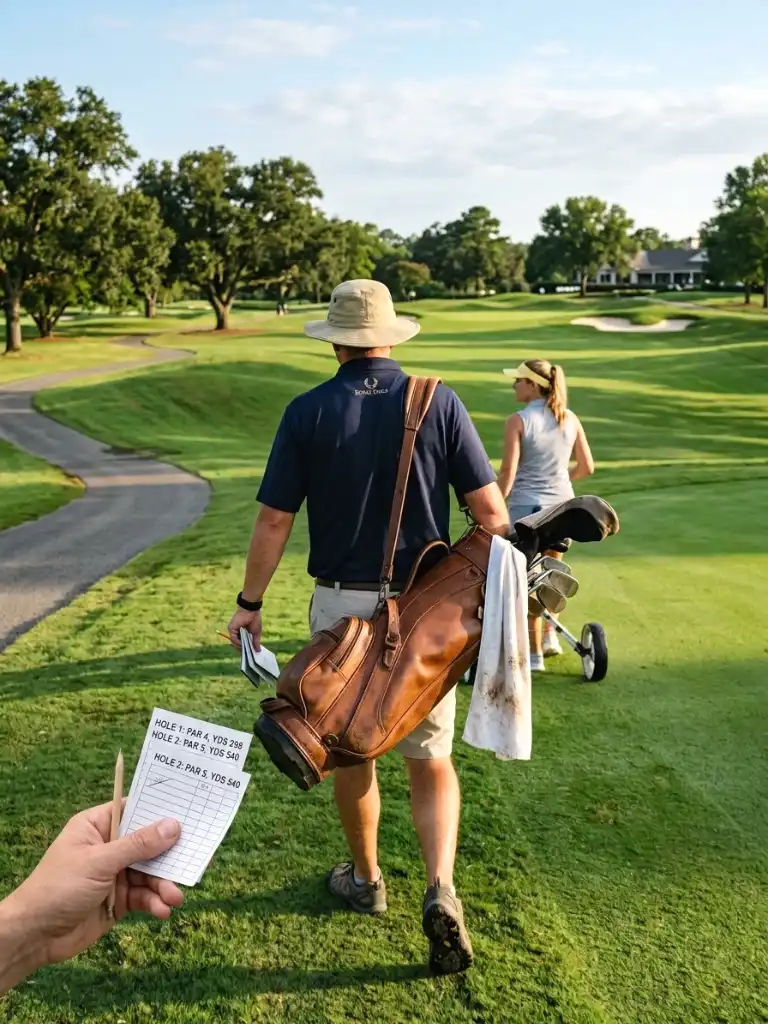
Caddies see the course from a different angle. Film your walk between shots: the bag on your shoulder, the pace of your steps, the crunch of gravel. A short, first-person clip gives followers a peek behind the curtain. I always notice new details on foot.
Keep the phone at chest height and steady. Add the natural sound to sell the moment. Behind-the-scenes clips suit authentic, story-driven feeds because they feel unpolished in the best way.
Pro Tips:
- Record ambient audio for texture.
- Cut to a still shot of the flag at the end.
Green Reading Putt Story
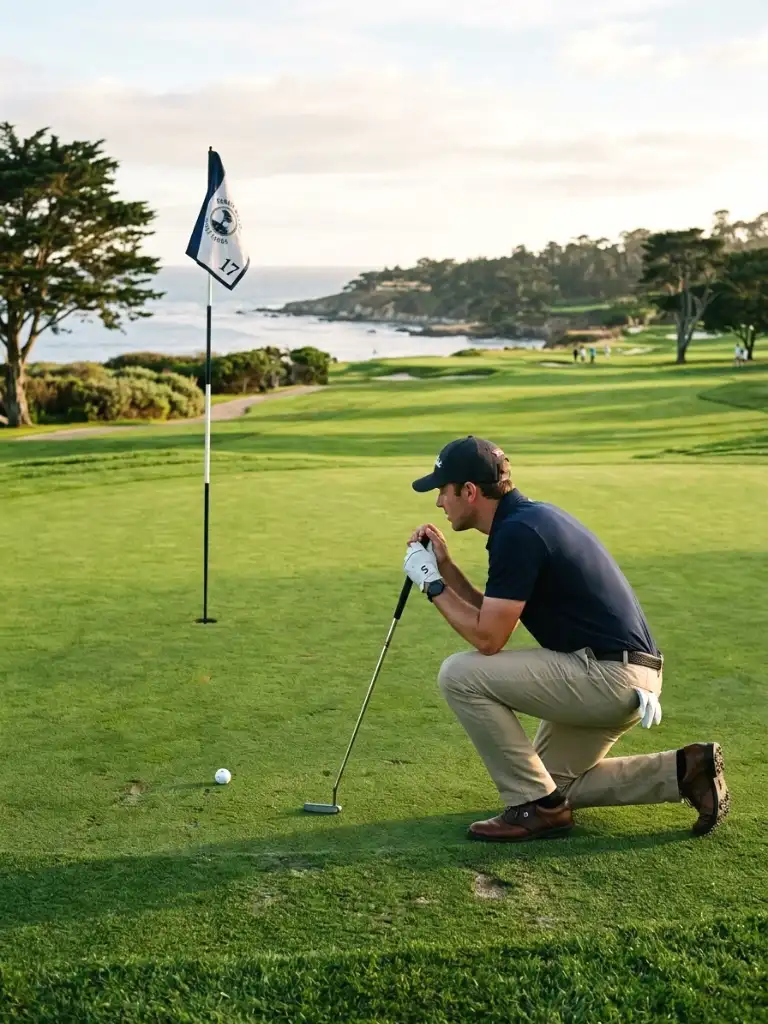
Ever notice how silent everyone gets on the green? Use it. Crouch behind the ball, film the slope, and follow the roll toward the cup. The slow crouch, squint, and putt make a satisfying mini story with a beginning, middle, and end.
Shoot from a low, side angle and let the ball roll into the frame. End with the drop. Process-focused clips suit players who enjoy strategy, and they add suspense to your story.
Pro Tips:
- Add a text poll: “Make it or miss it?”
- Film several takes and pick the best roll.
Polaroid Collage Round Recap Story
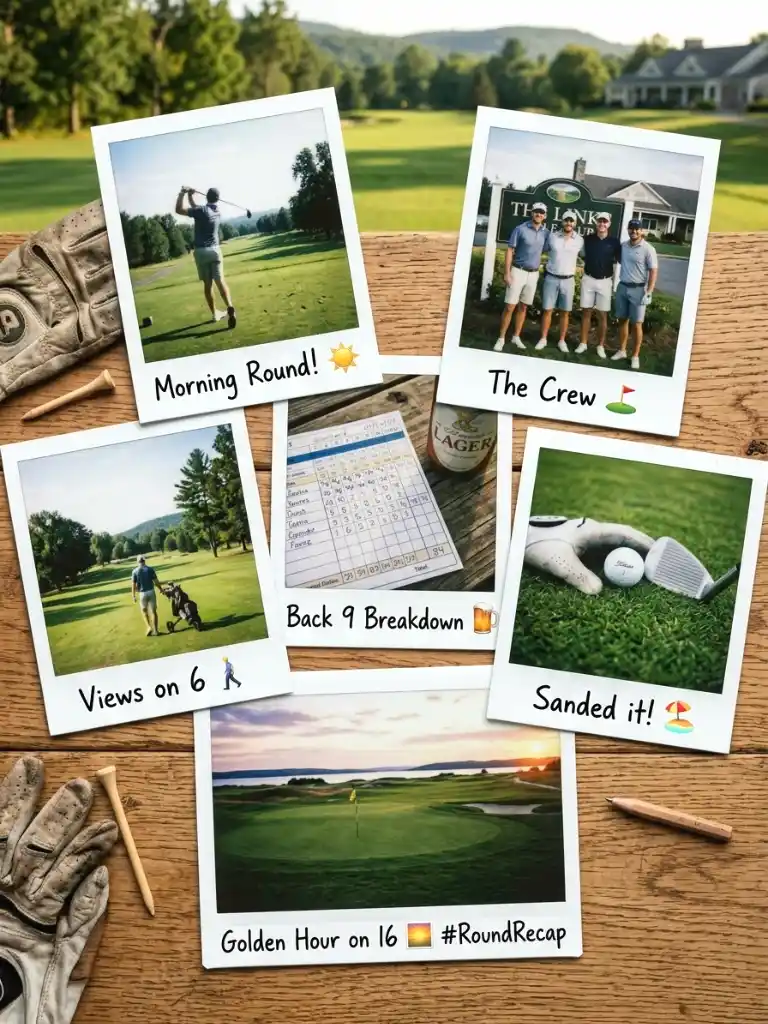
Round recaps work best as a scrapbook. Choose four favorite photos, drop them into a collage layout with white borders, and arrange them slightly tilted. The Polaroid effect adds charm and turns a whole day into a single frame. Nobody needs to see all 87 photos I took.
Mix wide, detail, and portrait shots for variety. Add a date and course name in handwriting. Collages suit story highlights because viewers save them as a reference. Use a cream background for a warm, printed feel.
Pro Tips:
- Use Canva or the Instagram Layout tool.
- Save the finished collage to a “Golf” highlight.
Rainy Day Golf Moody Story
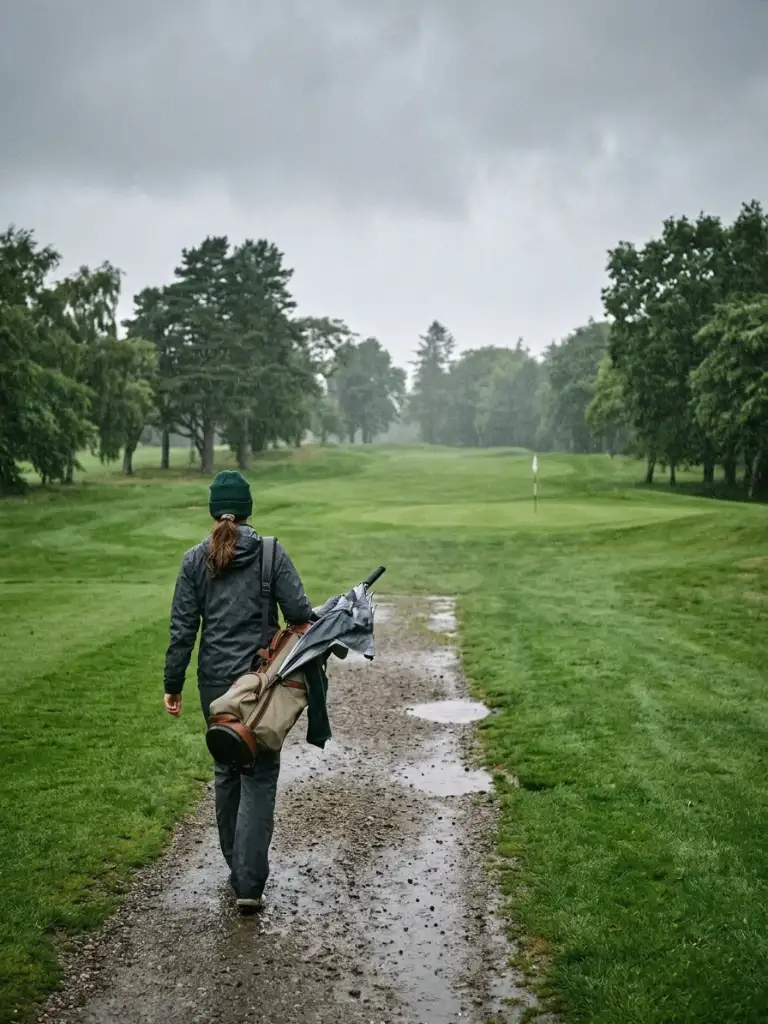
Rain makes courses look dramatic. Gray skies deepen the greens, umbrellas add graphic shapes, and puddles reflect the fairway. Shoot through a rain-speckled window or under the clubhouse awning to capture a moody, cozy vibe. I take my best photos when the tee sheet empties out.
Bring a microfiber cloth for your lens and lower the brightness for a cinematic mood. Moody, cool tones suit fans of dark academia and rainy-day aesthetics because the gray-green palette feels calm.
Pro Tips:
- Protect your phone in a zip bag with a lens window.
- Use a bright umbrella as your color accent.
Foursome Friends Story
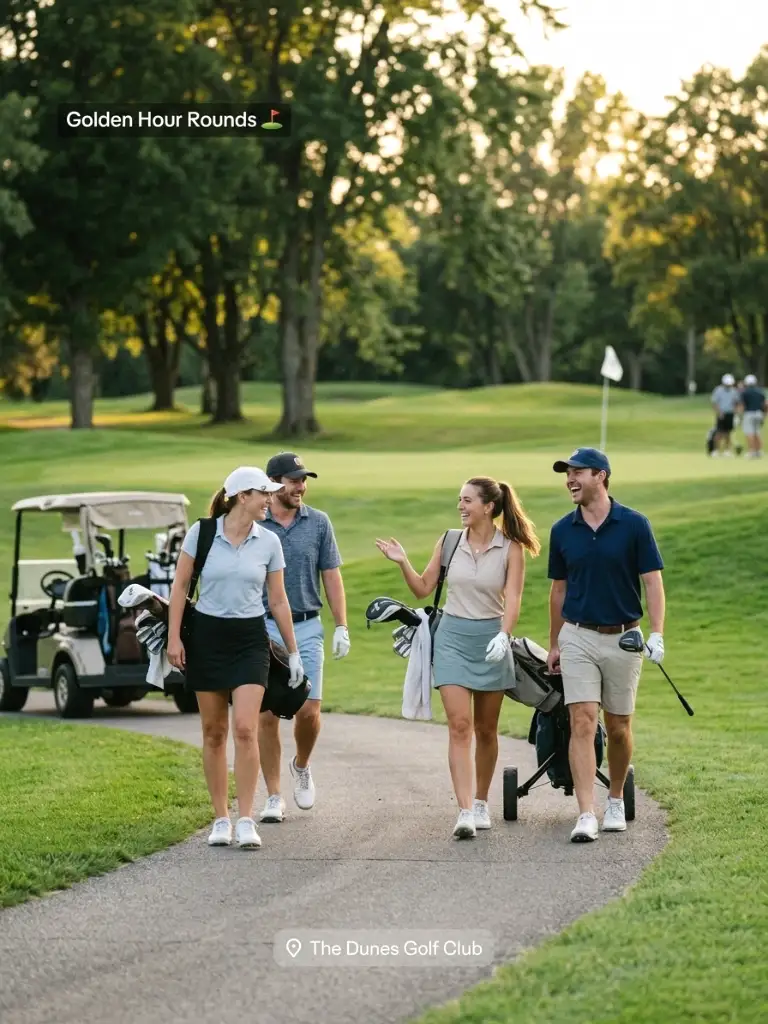
A group shot says golf is social first and competitive second. Gather your foursome on the first tee or beside the carts, put arms around shoulders, and say something funny. Candid photos beat stiff poses every time. I still treasure the blurry one where we all cracked up.
Coordinate outfits loosely, such as matching visors or a shared color. Use a timer and prop the phone on the cart. Friend-group shots suit community-minded feeds and invite plenty of replies.
Pro Tips:
- Take three shots: posed, half-posed, and silly.
- Tag everyone so they share the story.
Golf Trip Countdown Story
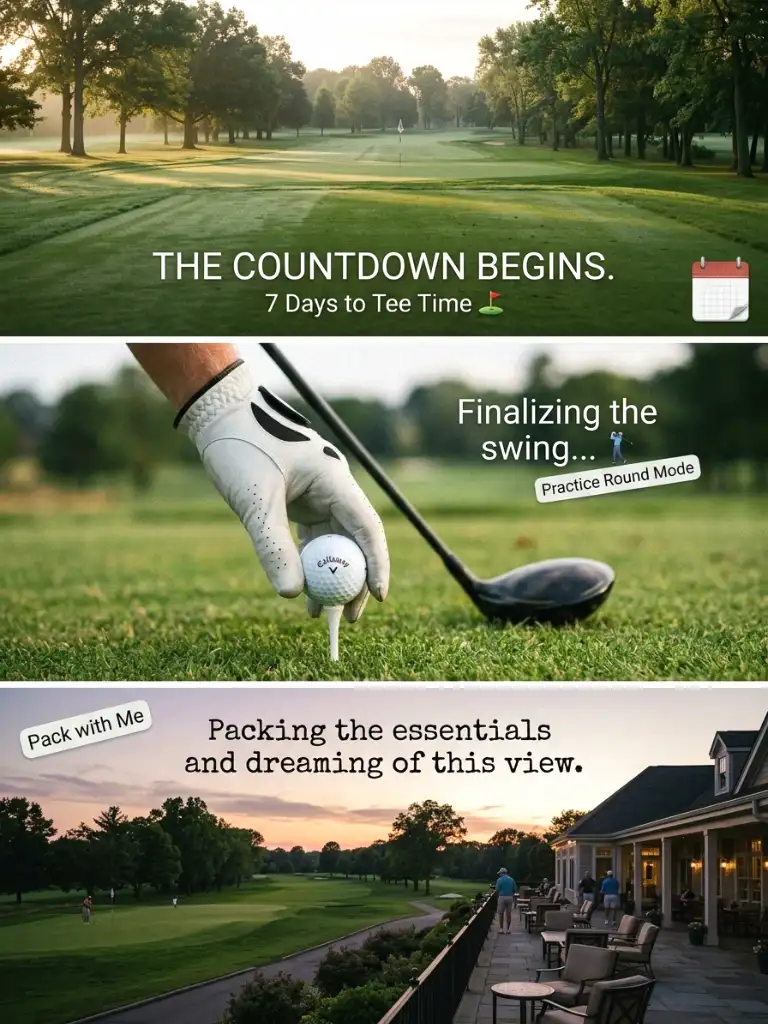
Building hype for a trip keeps followers watching. Use a countdown sticker with a clubs-and-suitcase photo, or a snapshot of your tee time confirmation. Anticipation content feels exciting because viewers want to see how the trip turns out. Pebble Beach or a local muni, the hype works either way.
Post the countdown three days out, one day out, and the morning of the trip. Add a location tag. Countdown stories suit travel-loving golfers, and they help you plan your content ahead of time.
Pro Tips:
- Pin the countdown to a highlight afterward.
- Share your packing list for extra engagement.
What I’ve Learned After Posting Hundreds of Golf Stories
I started posting golf stories two summers ago, mostly to prove I play more than I complain. My early attempts looked flat, crooked, and way too bright. Now I plan one hero shot per round, then fill in with quick clips. Consistency beat perfection every time. And yes, you can post the pretty fairway and skip the three-putt.
Upkeep matters more than most people admit. Wipe your lens before every round, because sunscreen smudges ruin sharp shots. Save your best slides to story highlights like “Fairways,” “Fits,” and “19th Hole,” so new followers can binge them. Refresh those highlights each season, and stick to one preset and one font so your feed looks intentional.
Here are the tools and habits I recommend:
- Editing: Lightroom mobile or VSCO for warm, muted presets.
- Layouts: Canva for collages and text overlays.
- Gear: a clip-on macro lens, a mini tripod, and a microfiber cloth.
- Timing: golden hour and early morning beat midday light.
FYI, cloudy days give you the softest light, so skip the tee time panic. IMO, a drizzly round at a quiet course like St Andrews in the off-season makes the moodiest, most beautiful story you will ever post.
Final Thoughts
A great golf course aesthetic Instagram story comes down to light, framing, and one clear idea per slide. Start with sunrise mist or a golden hour putt, then mix in details like scorecards, gloves, and yardage books. Pick two or three ideas from this list, keep your palette tight, and let the course do the heavy lifting.
Experiment on your next round, even if your swing needs work. The scenery will cover for you. Save this post, pin an idea, or send it to your golf buddies before your next tee time ⛳
FAQs
What is a golf course aesthetic Instagram story?
It is a story series that uses golf scenery, gear, and lifestyle details to build a cohesive look. Think soft light, green tones, clean framing, and small props like scorecards, visors, and flags.
What time of day works best for golf course stories?
Early morning and golden hour work best. The light comes in low and warm, the course is quieter, and colors look richer without heavy editing.
Which colors suit a golf aesthetic?
Green, white, cream, navy, and sand tones work well. Add one accent color, like coral or butter yellow, for personality.
How many slides should a golf story have?
Aim for 4 to 8 slides. Mix a wide scene, a close detail, a fit or friend shot, and a text slide to keep viewers tapping.
Do I need a fancy camera?
No. A modern phone handles all 30 ideas. A clean lens, steady hands, and good light matter far more than gear.