
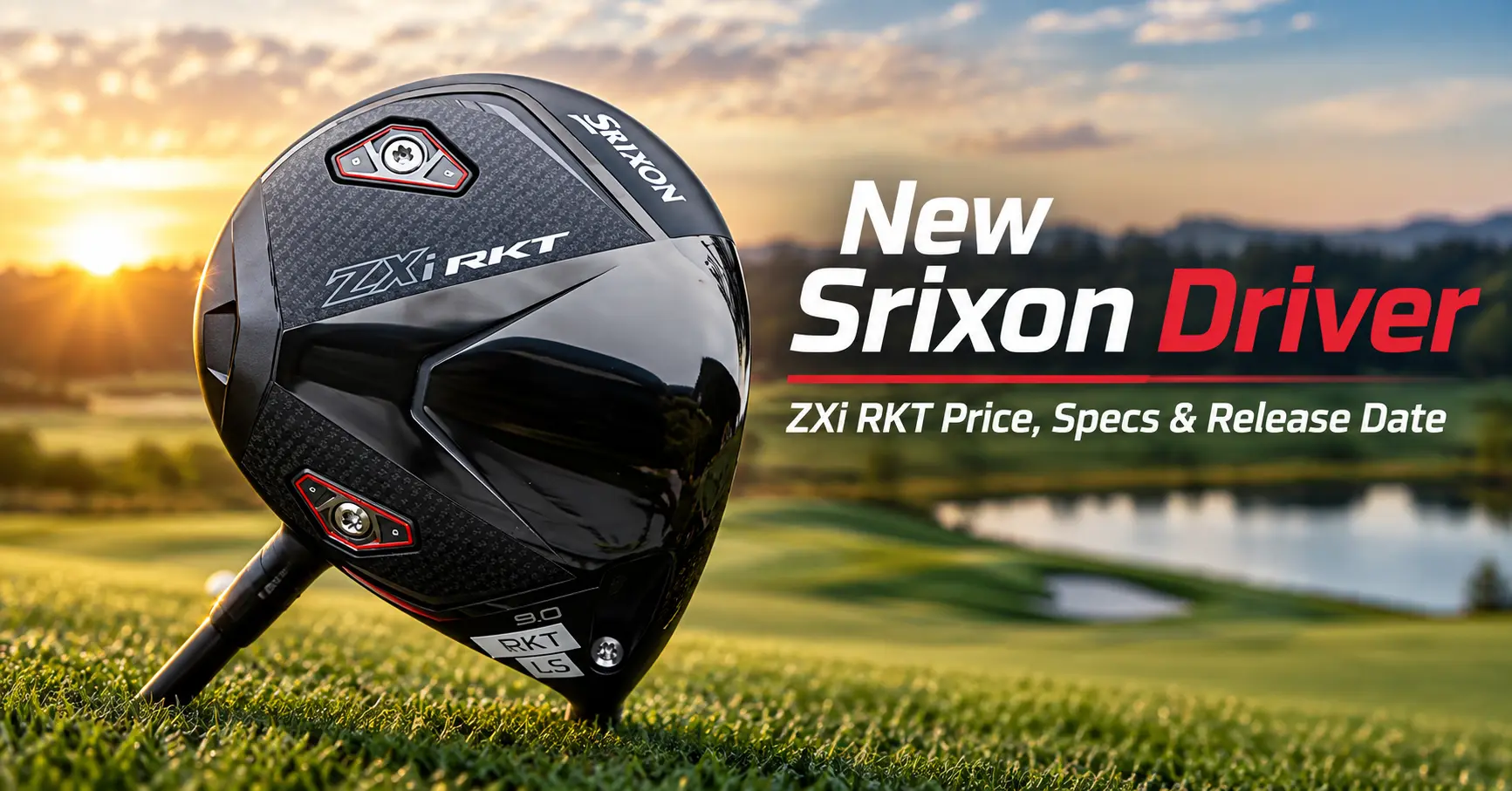
A driver that isn’t even for sale yet just won a major championship. Ryan Fox put a ZXi RKT LS+ prototype in play at the 2026 Open Championship at Royal Birkdale and walked away with the trophy, and Srixon still hasn’t told the public what’s inside the head. That’s the position the new Srixon driver is in right now: fully seeded on tour, spotted at three different events since June, and still without an official spec sheet from the company that makes it.
Here’s everything currently confirmed about the Srixon ZXi RKT, pulled from tour sightings, USGA conforming-list filings, and an actual pre-order listing that’s further along than anything else published on this topic so far.
Quick Answer: The new Srixon driver is the ZXi RKT, a three-model family (RKT, RKT Max, RKT LS) built around a bigger carbon crown and a four-layer Rebound Frame. Pre-orders are live for a mid-to-late September 2026 release. Srixon hasn’t confirmed US pricing, but based on where every other 2026 flagship driver sits, expect it to land close to $599.99.
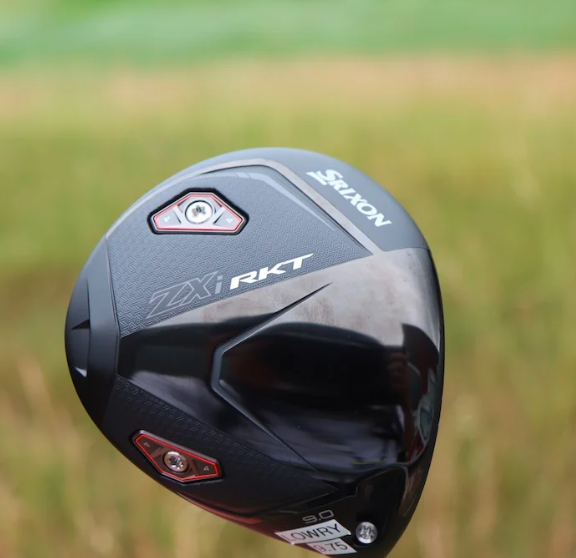
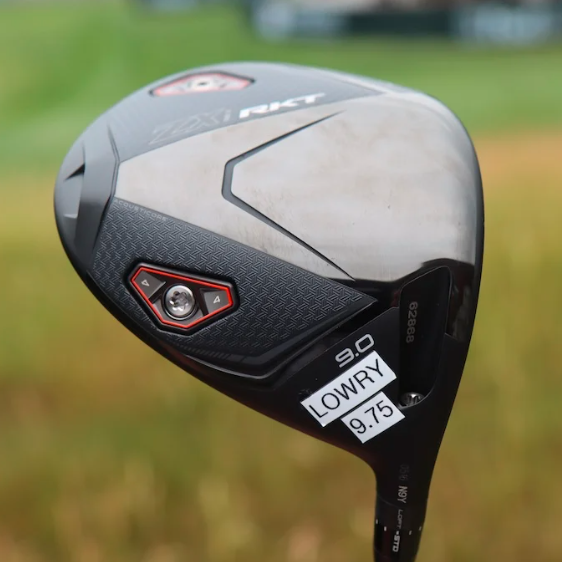
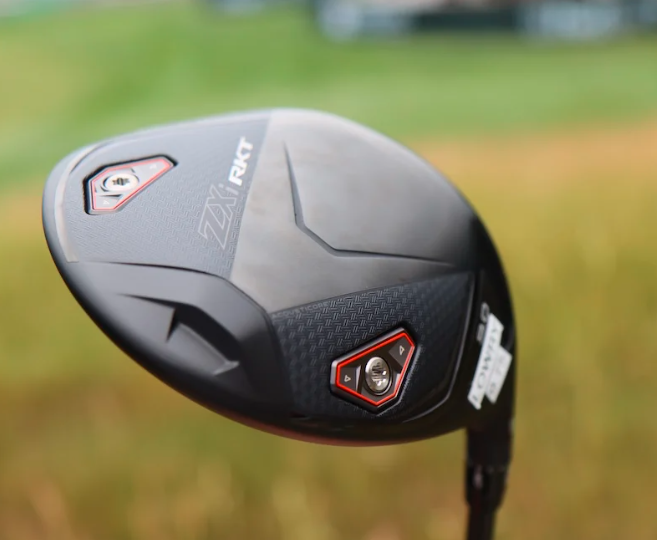
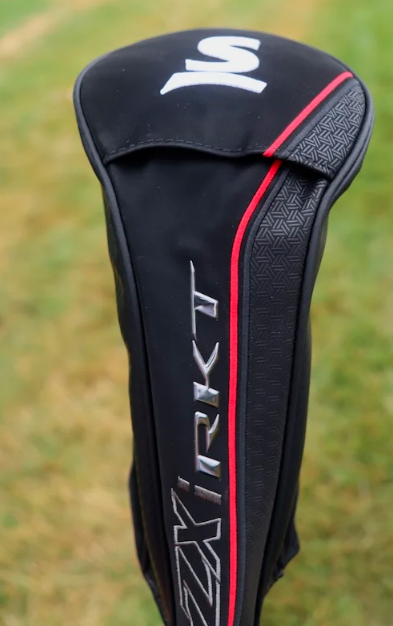
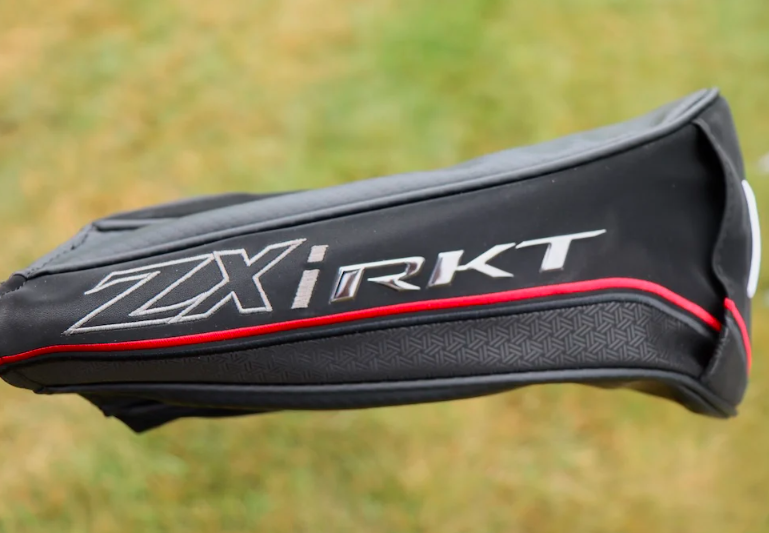
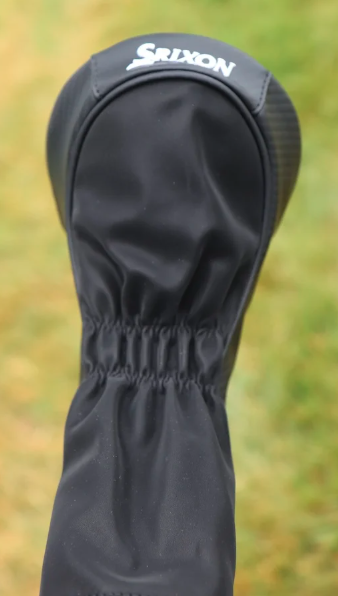
Meet the New Srixon Driver Family: ZXi RKT, Max, and LS
Srixon isn’t launching one driver. It’s launching three, and each one solves a different problem.
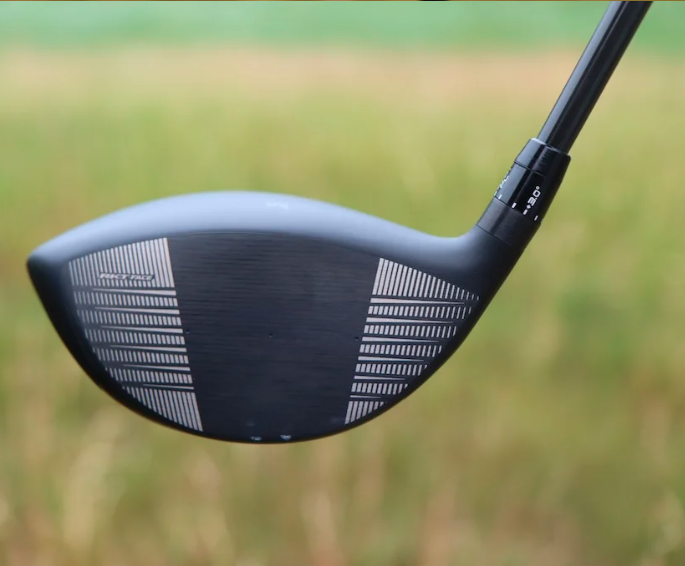
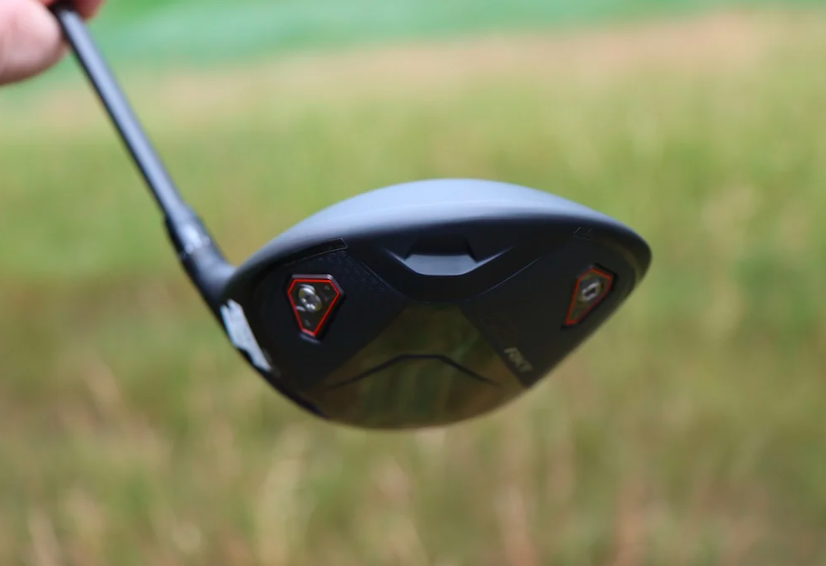
The ZXi RKT is the standard head, and it’s the one most golfers will end up gaming. It carries two sole weights positioned heel-to-toe rather than front-to-back, which points to a driver built primarily for shot-shape control rather than raw forgiveness. No back weight showed up in early tour photos, which suggests Srixon baked a fixed mass low in the chassis and is using the heel-toe ports purely for bias, not for MOI tuning.
The ZXi RKT Max is Srixon’s first true Max-category driver, and that matters. A single weight sits low and deep in the back of the head, chasing the high-MOI, easy-launch profile that dominates the forgiveness conversation right now. The outgoing ZXi Max already rated as the single most forgiving driver in MyGolfSpy’s 2026 testing, so the RKT Max inherits a genuinely good reputation to build on.
The ZXi RKT LS keeps Srixon’s low-spin tradition alive for faster, more aggressive swings. Front-and-back weight ports let a fitter dial spin down further for extra roll, or shift it back for a touch more forgiveness without giving up much ball speed.
A fourth head, the ZXi RKT LS+, has also shown up on the USGA conforming list. It’s the version Fox played at Royal Birkdale, and it looks like tour-only spec rather than a retail SKU, at least for now.
New Srixon Driver Release Date: When You Can Actually Buy One
Every article covering this launch back in June said the same thing: no confirmed date. That’s changed. A pre-order listing for the Srixon ZXi RKT driver now shows an official release window of mid-to-late September 2026, and Srixon’s Japanese arm has separately confirmed a September 2026 release through Dunlop, its parent company. Those two sources line up, which is a good sign the date is real and not a placeholder.
Srixon typically brings US and international retail dates close together for its flagship metalwoods, so American buyers shouldn’t expect a long gap behind the Japanese launch. Given the timing, the safest bet for most US retailers is late September into early October.
How Much Will the New Srixon Driver Cost?
Nobody, including Srixon, has confirmed a US retail price yet. But the picture isn’t a total blank, and treating it as one, the way the current top-ranking articles do, leaves out real information a buyer can use.
Start with where the rest of the 2026 flagship market sits. Every serious competitor has settled into a tight band:
| Driver | 2026 MSRP |
|---|---|
| TaylorMade Qi35 (standard) | $599.99 |
| TaylorMade Qi35 LS | $649.99 |
| Callaway Elyte (standard) | $599.99 |
| Titleist GT2 | $649.99 |
| PING G440 MAX | $619.00 |
| Srixon ZXi (outgoing, launch price) | $549.99 |
| Srixon ZXi (outgoing, current clearance) | $399.99 |
Srixon has historically priced its flagship driver below Titleist and roughly in line with or slightly under TaylorMade and Callaway. The outgoing ZXi launched at $549.99 against a market where Qi35 and Elyte were already at $599.99. If Srixon holds that same relative position, $599.99 is the most likely number for the standard RKT head, with the RKT Max and RKT LS priced the same or a notch higher, which is how Srixon structured the outgoing ZXi lineup.
One more data point worth flagging honestly: a Japan-market retailer already has the RKT listed for pre-order at a special price of $780, marked down from $890. That is not a US MSRP. It’s a grey-market import price from a boutique Japanese retailer, and those prices routinely run well above domestic US pricing once currency conversion, import markup, and shipping get baked in. Treat it as a signal that Srixon considers this a genuine flagship-tier product, not as a preview of what you’ll pay at your local shop.
ZXi RKT vs. ZXi: What Actually Changed
This is the part every other article covering this launch skips entirely, because none of them have actually seen a spec sheet. One does now exist, through a pre-order listing for the standard RKT head:
Specs for the outgoing model come straight from Srixon’s own US product page. RKT specs come from a live pre-order listing that’s further along than anything else published on this launch so far.
| Spec | ZXi (outgoing) | ZXi RKT |
|---|---|---|
| Head volume | 460cc | 460cc |
| Loft options | 9°, 10.5° | 9°, 10.5° |
| Lie angle | 59° | 59° |
| Length | 45.75″ | 45.75″ |
| Face | i-FLEX titanium face | VR-Titanium (Super-TIX 52AFS), forged |
| Crown | Star Frame Crown (partial carbon lattice) | Full CFRP composite carbon crown |
| Internal structure | Rebound Frame, two flex zones | Rebound Frame, four-layer construction |
| Sole weights | Heel/toe, weight unspecified | Toe 4g (aluminum), heel 10g (stainless steel) |
| Hosel | 1.5-degree adjustable sleeve | 12-position mechanical hosel sleeve |
| Stock shafts | Fujikura Ventus TR Blue 6 | Diamana ZXi-II 50, Ventus TR ZXi-II 5, Ventus TR ZXi-II 6 |
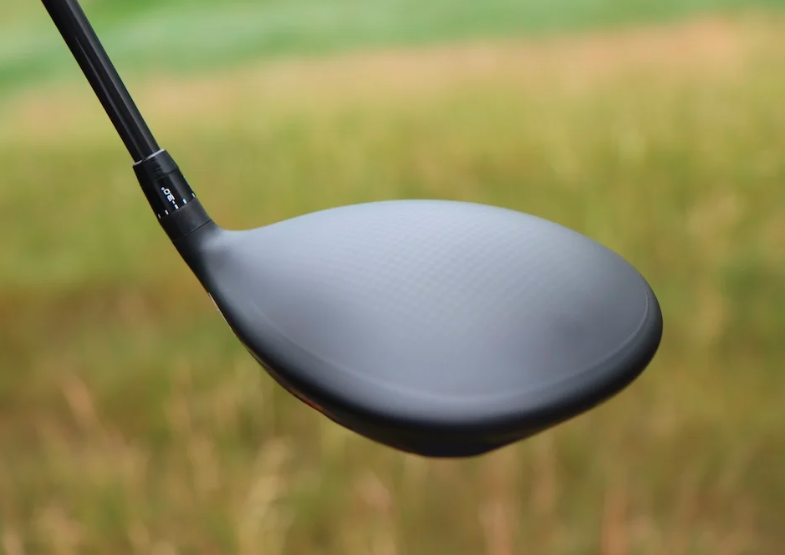
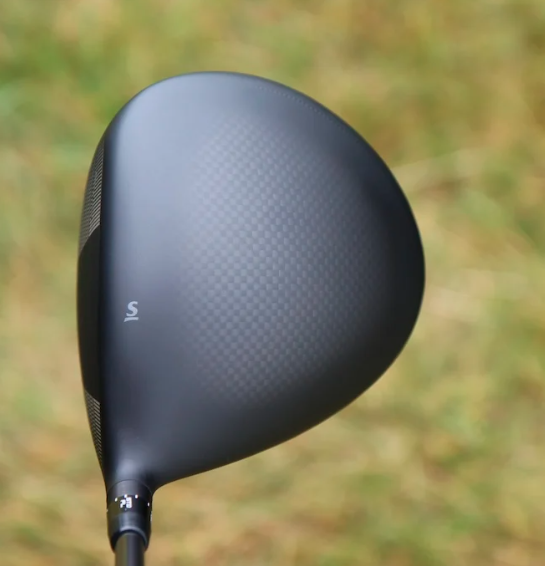
The headline number here is the crown. Srixon moved from a partial carbon lattice to a full carbon composite piece, and that’s not a cosmetic swap. Pulling more weight out of the crown means more discretionary mass to place exactly where Srixon wants it, low and to the edges, which is precisely what tour photos of the RKT show: weight ports pushed further outboard than the outgoing model.
The Rebound Frame going from two flex zones to a four-layer structure is a real engineering change too, not a marketing refresh. More flex zones generally means more precise control over how the face and sole cooperate at impact, which shows up as more consistent ball speed across mis-hits rather than just a peak number on a perfect strike.
The shaft lineup is the other quiet story. Srixon didn’t just keep the Ventus TR Blue 6 around. It moved to a full “ZXi-II” shaft platform across three profiles, which tells you the driver wasn’t designed around last year’s shaft bend profiles. That’s the kind of detail that gets buried in a tour-photo bulletin but matters to anyone who actually gets fit for a driver instead of buying off the rack.
The Part Nobody’s Talking About: This Unreleased Srixon Driver Already Won a Major
Here’s the story every other article covering this launch missed. Ryan Fox played a ZXi RKT LS+ prototype at the 2026 Open Championship at Royal Birkdale and won the tournament with it in the bag. He ranked 10th in the field in Strokes Gained: Off the Tee that week, gaining more than three shots over four rounds with a driver that wasn’t even in the same generation as the ZXi drivers sitting on shelves at the time.
That win came weeks after Fox had already put the RKT 3-wood into play at the Scottish Open, so this wasn’t a one-week trial. He’d been building a bag around the new platform before it ever had a retail date.
An unreleased Srixon driver winning a major is the kind of validation a brand can’t buy with an ad campaign. Srixon’s driver line has genuinely struggled to get real tour buy-in over the last few seasons, with only a handful of its own staff players actually gaming the brand’s metalwoods. A major win with a prototype changes that conversation before the club has even shipped.
Srixon’s Sound Problem, and What Acousticore Is Actually Fixing
Every photo of the RKT family carries a small “Acousticore” badge on the sole, and most coverage so far just repeats the word without explaining what it means. Here’s the actual context.
The outgoing ZXi lineup had one well-documented, near-universal complaint: sound. The face produced a higher-pitched, harder crack at impact than most golfers wanted, and it read as firmer off the face than the ball speed numbers would suggest it should. Tour pros dealt with it by hotmelting their heads, which is a workaround retail buyers don’t have access to.
The expanded carbon footprint on the RKT crown gives Srixon a real mechanical lever to pull on sound in a way the old Star Frame Crown didn’t. Carbon dampens vibration differently than titanium, and a full composite crown paired with internal sound ribs gives engineers more surface area to tune. Acousticore isn’t a separate part bolted onto the head.
It’s the name for that combined approach, applied across the whole family. Whether it actually solves the complaint won’t be provable until independent testing happens after launch, and that’s worth saying plainly rather than assuming the marketing copy delivers.
ZXi RKT, Max, or LS: Which One Fits Your Swing
Don’t pick a model off the name alone.
- Take the standard RKT if you swing in the mid-to-high swing speed range and want a driver you can bias toward a draw or fade without sacrificing much forgiveness. The heel-toe weighting is built for exactly that adjustment.
- Take the RKT Max if forgiveness on off-center strikes matters more to you than shaping shots. The single low-back weight is chasing MOI first, and if the outgoing ZXi Max’s forgiveness numbers carry over, this head should be the most stable of the three on a mis-hit.
- Take the RKT LS if you already generate strong ball speed and spin too much. The front-back weight adjustment gives you real control over launch and spin without needing a different shaft.
If your swing speed sits below about 90 mph, none of these three is necessarily the right call yet. A lower-spin, lower-launch driver built for faster swings doesn’t automatically help a slower swing just because it’s new, and that’s worth saying directly instead of pretending every golfer needs to chase the newest release.
Should You Buy the Clearance ZXi Now, or Wait for the RKT?
If you need a driver this week, the clearance ZXi at $399.99 is a legitimately good buy, and there’s no reason to pretend otherwise just because it’s not the newest thing on the wall. It’s the same head volume, the same loft options, and a proven i-FLEX face, at roughly two-thirds of its original price.
If you can wait until October, wait. A full carbon crown, a genuinely upgraded internal structure, and a shaft platform built specifically for this head is a bigger jump than Srixon usually makes between generations, and paying full RKT price later beats settling for last year’s sound complaints today. The one exception is if you find the outgoing ZXi at that clearance price and you’ve already hit it and liked it. In that specific case, buy it now and don’t overthink it.
Frequently Asked Questions
When is the new Srixon driver coming out?
Pre-order listings and Srixon’s Japanese distribution arm both point to a mid-to-late September 2026 release. Srixon’s American arm hasn’t posted a firm US date yet, but the gap between international and US launches for Srixon’s flagship driver has historically stayed short.
How much will the Srixon ZXi RKT driver cost?
Srixon hasn’t announced a price. Based on where TaylorMade’s Qi35, Callaway’s Elyte, and Titleist’s GT2 all sit in 2026 ($599.99 to $649.99), and Srixon’s habit of pricing just under that group, $599.99 is the most reasonable estimate for the standard head.
What does RKT stand for?
Srixon hasn’t confirmed it officially. The most common guess across equipment forums is “Rocket,” fitting the pattern of other manufacturers using short codes instead of full tech names, but treat this as speculation until Srixon says otherwise.
Is the Srixon ZXi RKT better than the current ZXi?
On paper, yes, in the areas Srixon changed. A full carbon crown replacing a partial lattice, a four-layer Rebound Frame instead of two flex zones, and a purpose-built shaft platform are real upgrades, not just a name change. Whether that translates to more distance or forgiveness for your specific swing won’t be knowable until independent testing happens after release.
Which pros play the new Srixon ZXi RKT driver?
Ryan Fox won the 2026 Open Championship with a ZXi RKT LS+ prototype. Tour photos also show Hideki Matsuyama and Shane Lowry handling RKT-family drivers, though it’s unconfirmed whether either has put one in play in competition.
What is Srixon’s Acousticore technology?
It’s Srixon’s name for the combined effect of the RKT’s expanded carbon crown and internal sound ribs, aimed at fixing the harsher, higher-pitched sound that was the most common complaint about the outgoing ZXi lineup.
Should I buy the current ZXi or wait for the RKT?
Buy the current ZXi now only if you need a driver immediately or you’ve already tested it and liked it at the $399.99 clearance price. Otherwise, wait a few weeks for the RKT. The carbon crown and structural upgrades are a bigger jump than Srixon’s usual year-over-year refresh.
Bottom Line
The new Srixon driver isn’t guesswork anymore. It’s a three-head family built around a genuinely upgraded carbon crown, it’s got a real pre-order window in mid-to-late September 2026, and it’s already proven itself with a major championship win before a single retail unit has shipped. That last part alone should get more attention than it’s gotten so far.
Once you’ve settled on timing, line the RKT up against the rest of the current crop of premium drivers before you decide, since $599.99 buys you a genuinely competitive field this year.