
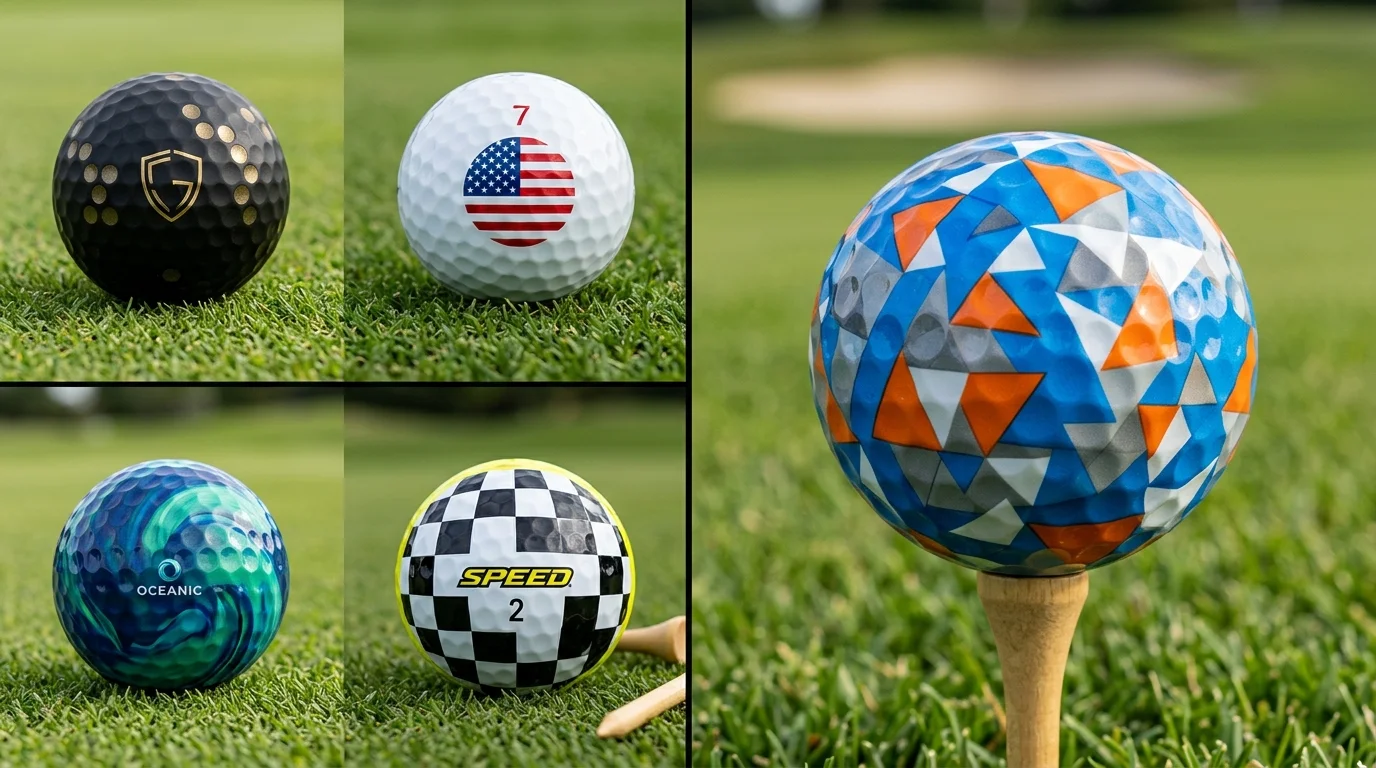
Ever notice how golfers obsess over drivers but grab whatever ball rolls out of the bag? That habit costs strokes. Golf ball designs shape how your ball flies, spins, stops, and even how easily you find it in the rough. From dimple patterns to bold custom prints, the right design quietly changes your whole round.
This guide is for weekend hackers, gift hunters, and anyone who has ever lost three white balls on one hole. I’ve tested dozens of balls over the years, so I’ll walk you through 33 designs, what each one does, how to play it, and which golfers it suits best.
1. Classic White Golf Ball with a Standard Dimple Pattern
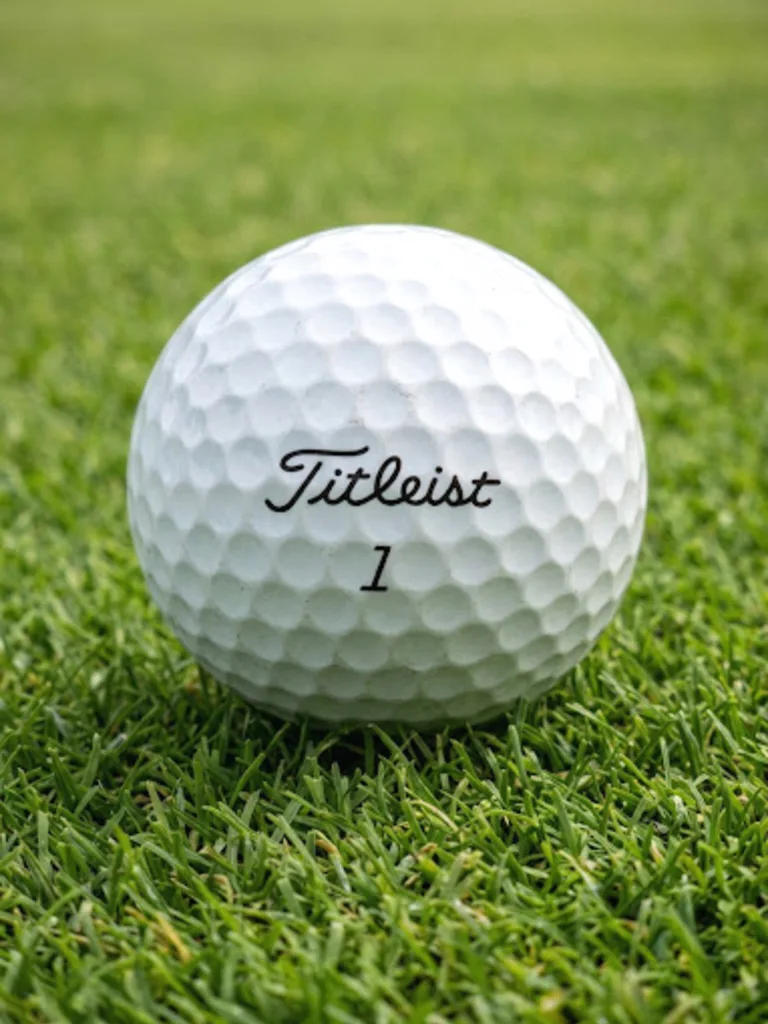
The plain white ball with 300 to 400 round dimples still rules most golf bags. Those dimples create a thin layer of turbulent air that hugs the ball, cuts drag, and adds lift. Without them, your big drive would barely travel half as far.
Play it when you want zero distractions and a consistent flight. It works because every major brand has refined this layout for decades, so you get predictable launch, reliable spin control, and a look that tour pros trust.
- Check the compression rating on the box and match it to your swing speed.
- Buy a dozen of one model instead of mixing brands for steadier results.
2. Icosahedral and Tetrahedral Dimple Layouts
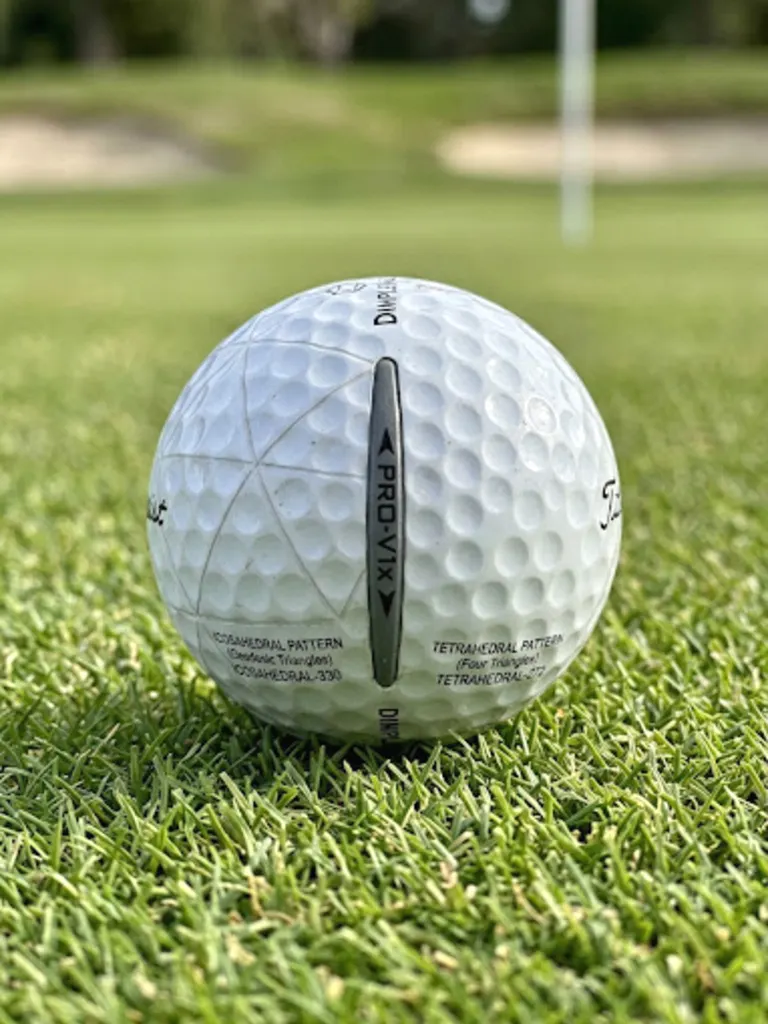
Many balls arrange dimples on an icosahedral pattern, basically 20 triangles wrapped around a sphere. Titleist uses a tetrahedral layout on the Pro V1. Both geometries spread dimples evenly, so the ball flies the same way no matter how it sits on the tee.
Tee it up without worrying about logo position. This symmetry matters most for players who crave consistent ball flight shot after shot, especially mid to low handicappers chasing tighter dispersion.
- Symmetry helps, but a clean strike helps more. Practice center contact first.
- Compare two models on a launch monitor before you commit.
3. Hexagonal Dimple Designs
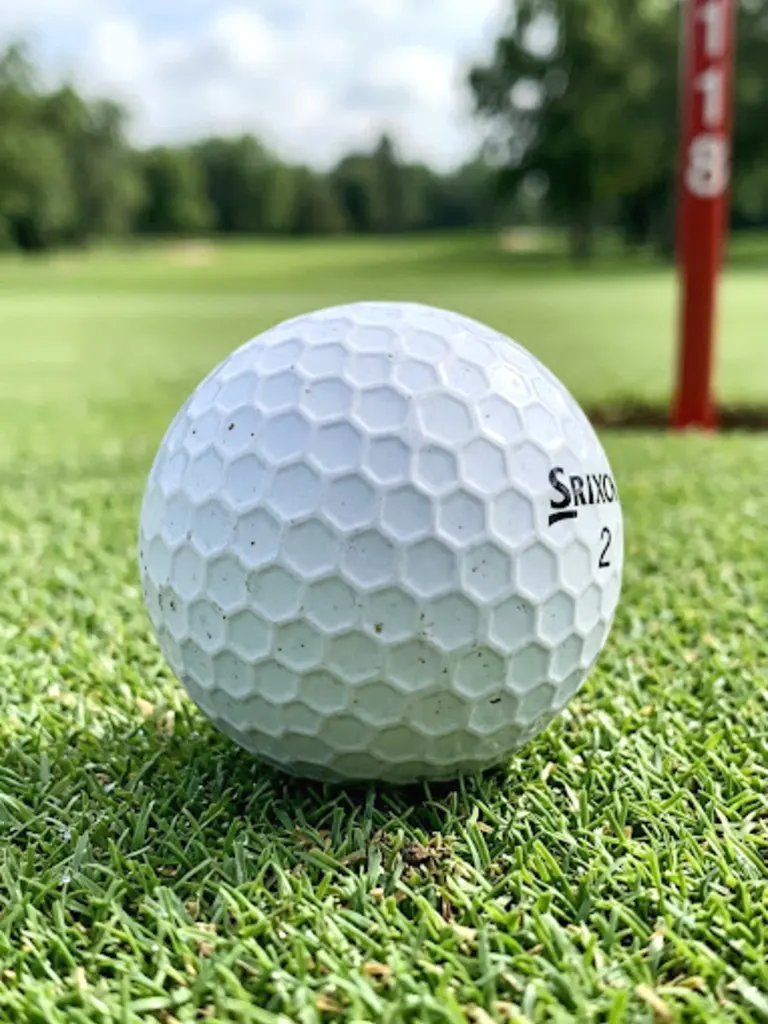
Callaway made hexagonal dimples famous with its HEX aerodynamics. Hexagons fit together like a honeycomb, leaving almost no flat space between dimples. Less flat land means less drag, so the ball holds its speed longer in the air.
Use a hex-dimple ball if you fight a low, weak flight or play in windy conditions. It suits moderate swing speeds that need a little extra carry without extra effort.
- Pair it with a slightly higher-lofted driver to maximize carry.
- Test it on a breezy day. That’s where the design really shows off.
4. Dual-Dimple (Dimple-in-Dimple) Designs
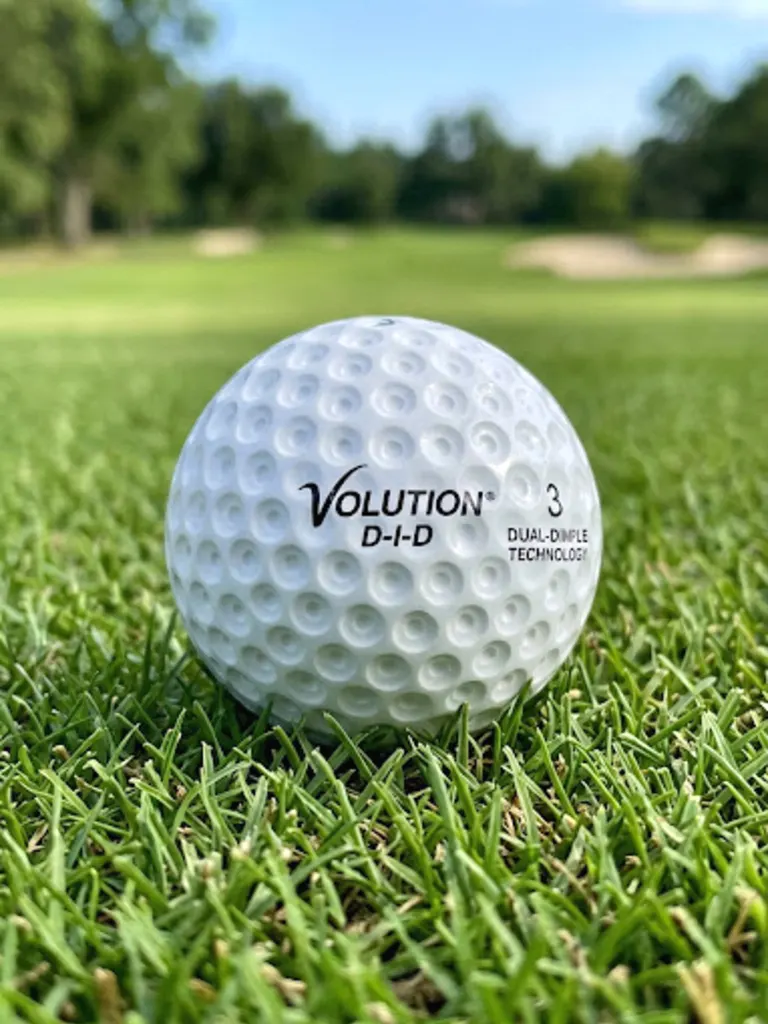
Bridgestone’s Dual Dimple technology places a smaller dimple inside a larger one. This layered surface reduces drag even further and helps the ball cut through the air. Think of it as a dimple wearing a tiny backpack.
Try this design if you want more distance without sacrificing greenside feel. It works well for players with decent speed who still want the ball to stop quickly on approach shots.
- Look at Bridgestone’s Tour B line if you want to test this tech.
- Use their ball-fitting data to match the right model to your swing.
5. Seamless Cover Designs
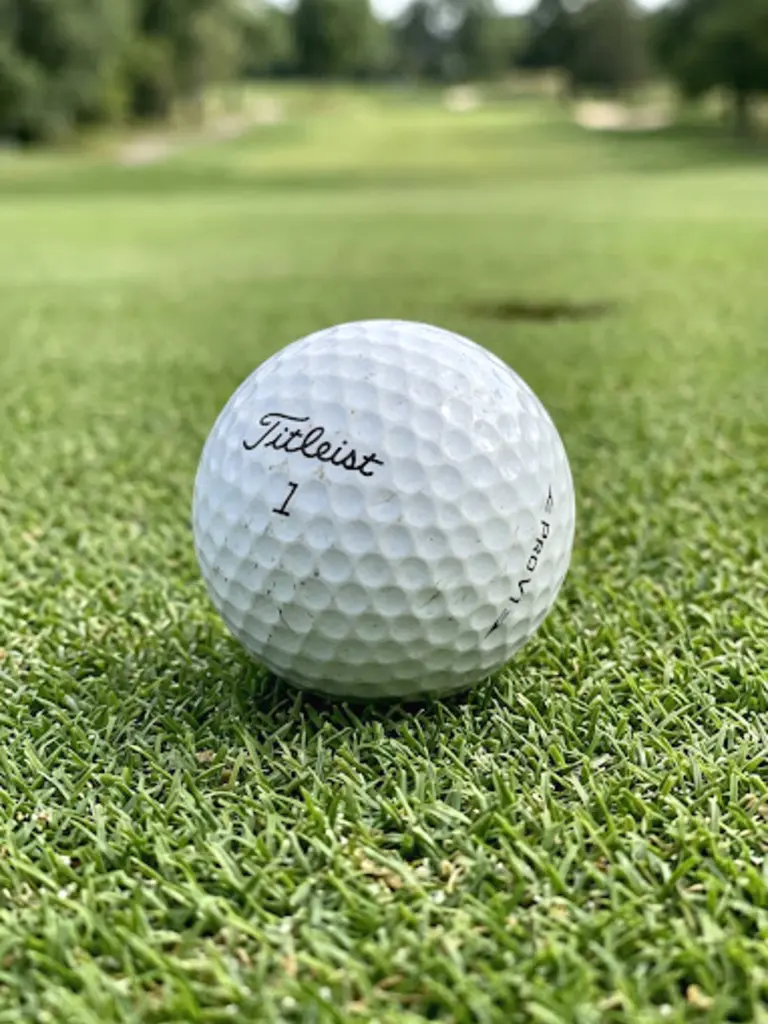
Every ball comes out of a two-piece mold, which leaves a seam around the equator. Premium brands hide that seam with a zigzag parting line that weaves between dimples. The result looks flawless and flies more evenly.
You don’t need to do anything special here, just play it. Why does it matter? A hidden seam removes a tiny aerodynamic flaw, which helps accuracy for serious golfers who notice small flight differences.
- Inspect cheap balls closely. A visible seam often hints at lower quality.
- Stick with urethane premium balls if consistency tops your list.
6. Triple Track Alignment Golf Balls
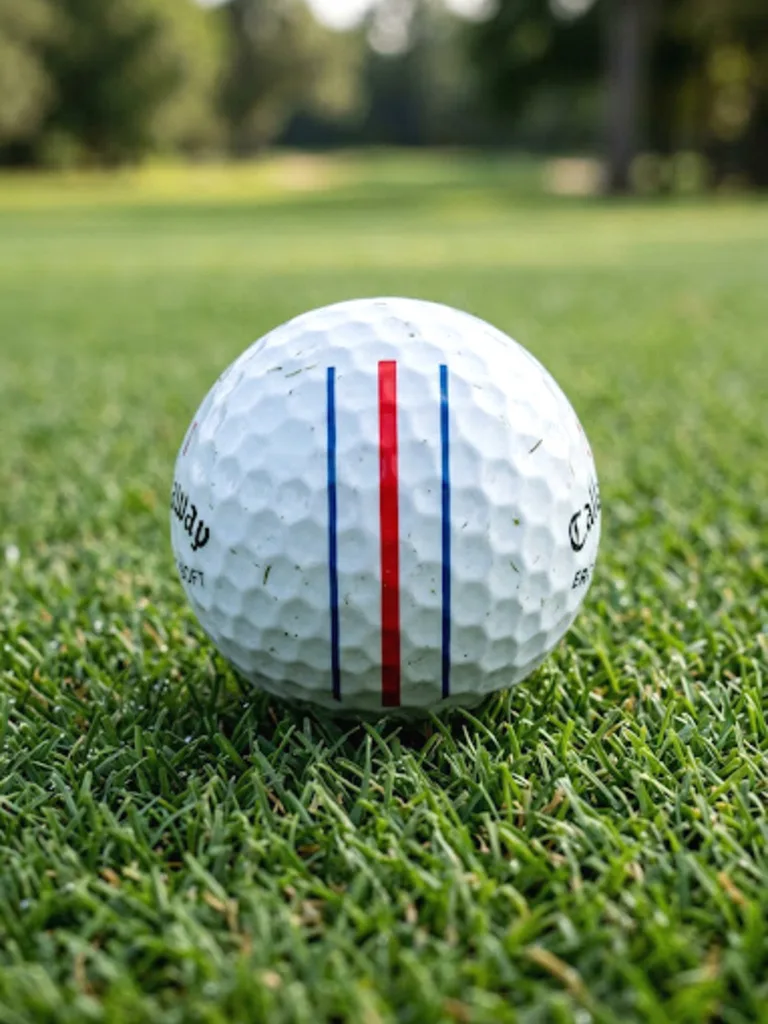
Callaway’s Triple Track design prints three parallel lines on the ball, a bold center line flanked by two thin ones. The concept borrows from Vernier acuity, the same visual science that helps pilots land planes. Your eyes spot misalignment instantly.
Line the tracks up with your target on every putt and full shot. It works brilliantly for golfers who push or pull short putts, because you see your aim error before you pull the trigger.
- Use a line on your putter that matches the ball’s center line.
- Stand behind the ball first, then align. Never align from address.
7. 360-Degree Pix Graphics
TaylorMade’s TP5 Pix covers the ball in bold, colorful graphics. You see exactly how the ball rolls and spins off the putter face. It looks a bit like a beach ball that joined a country club.
Watch the pattern as the ball rolls to check for clean, end-over-end rotation. It suits visual learners who want instant feedback on putting stroke quality without buying training gadgets.
- Film your putts in slow motion to see the rotation clearly.
- Use it in practice even if you prefer a plain ball for tournaments.
8. Single-Line Sidestamp Alignment Designs
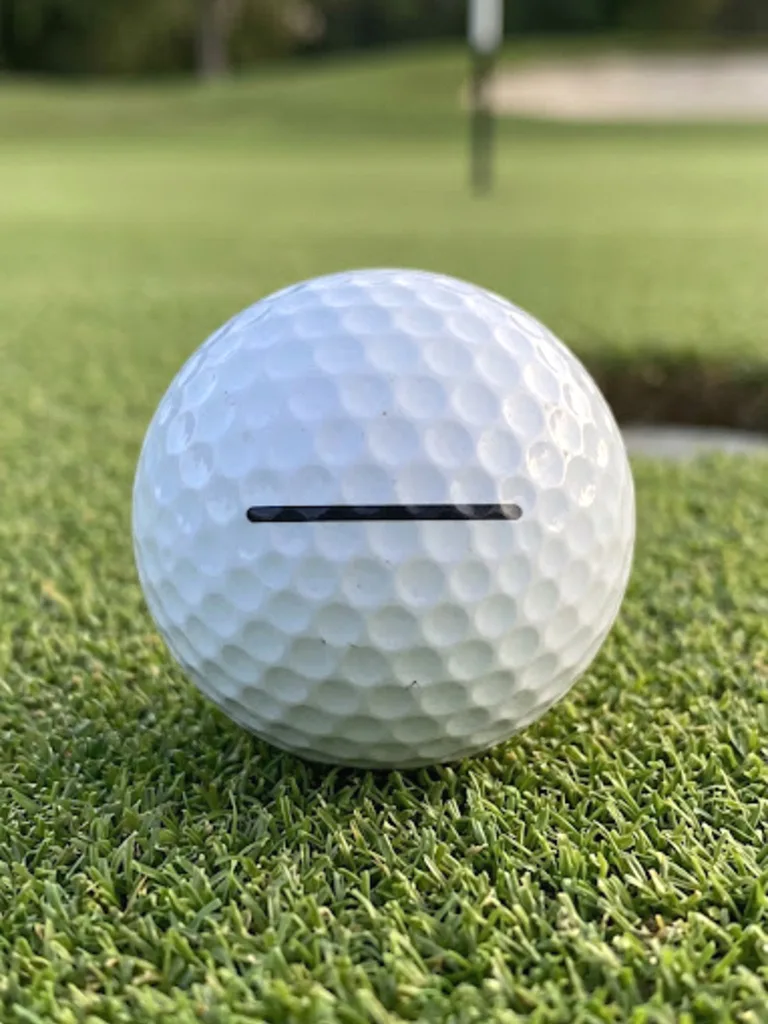
This simple design prints one straight alignment line next to the brand logo. It gives you an aiming aid without loud graphics. Most premium balls include some form of this sidestamp line.
Draw the line toward your start line, not the hole, on breaking putts. It works for traditionalists who want subtle alignment help without the busy look of three-line designs.
- Use a ball-marking stencil if your ball lacks a printed line.
- Match your line to the start point of the putt, not the cup.
9. Two-Tone Split Golf Balls
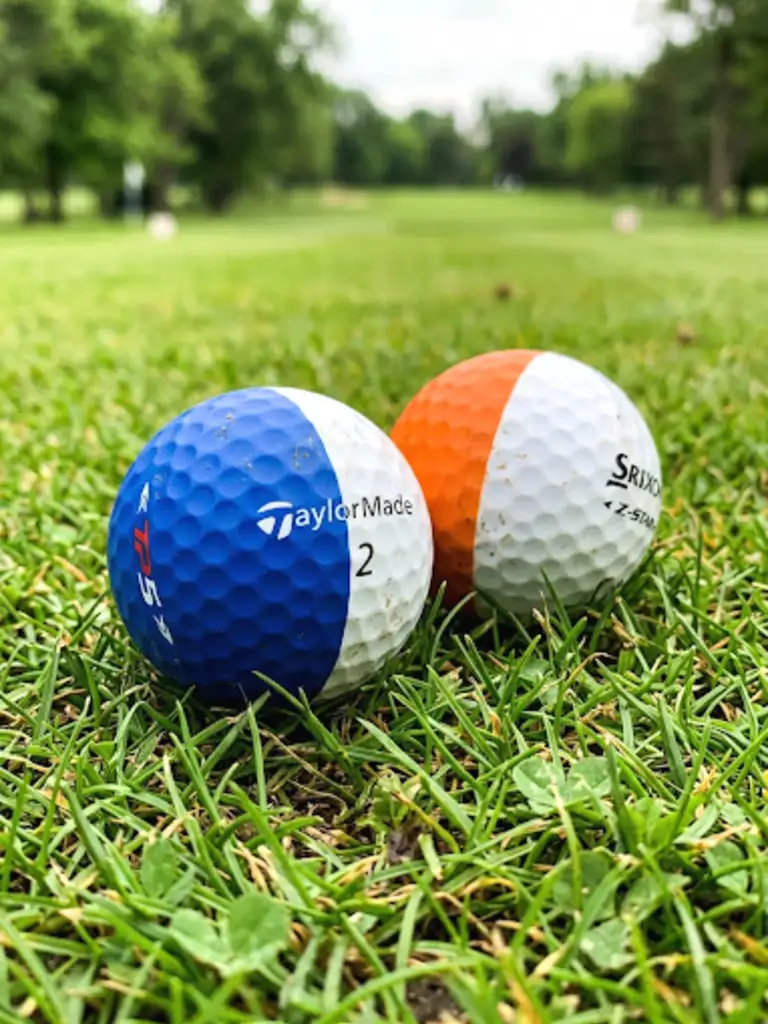
The Srixon Q-Star Tour Divide splits the ball into two bold color halves. When you chip or putt, the colors blur or rotate, showing you spin and roll direction. It turns every short-game shot into a mini lesson.
Line up the color seam with your target for easy aiming. This design suits golfers who want to see spin on wedge shots and learn how their contact affects the ball.
- Hit 10 chips and watch how quickly each ball starts rolling.
- Pick a color combo that contrasts with your local grass and sky.
10. Truvis Pattern Golf Balls
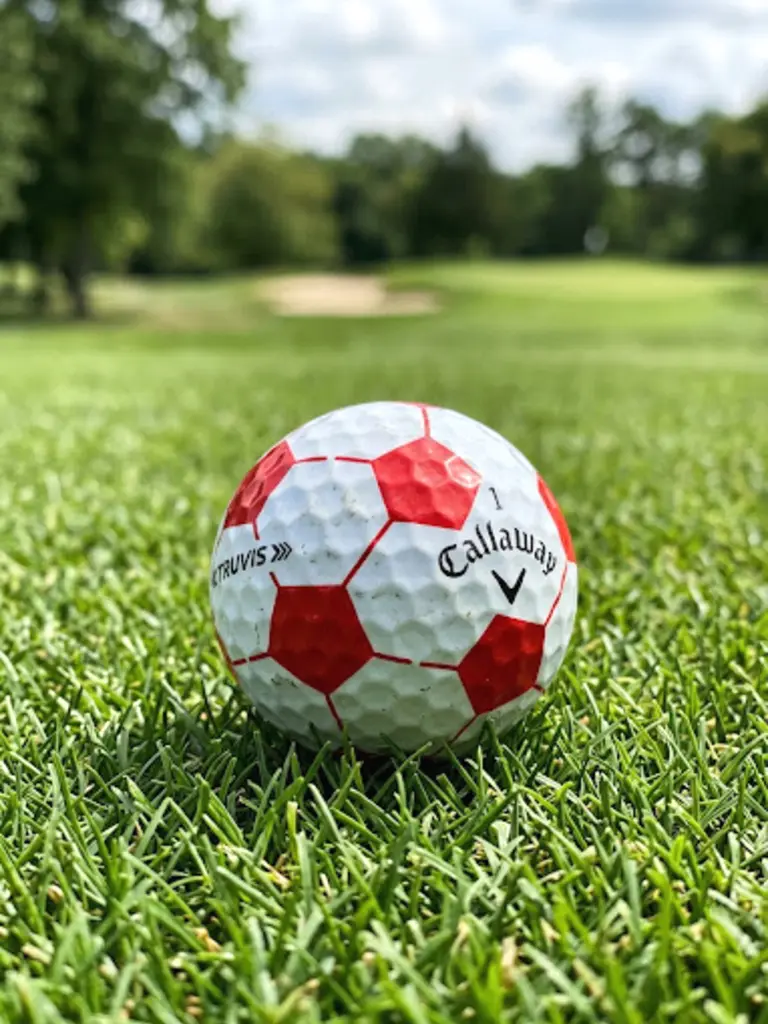
Callaway’s Truvis pattern wraps the ball in bold pentagons, just like a soccer ball. The contrasting shapes stand out against grass and make spin easy to track. Finally, a golf ball that looks like it plays a real sport. Kidding, mostly.
Play it when you want better visibility and a fun look. It works for players who lose sight of the ball mid-flight and want improved tracking and short-game feedback.
- Choose a color that pops against your home course’s fairways.
- Watch the pentagons on putts to check for skid versus roll.
11. Matte Finish Golf Balls
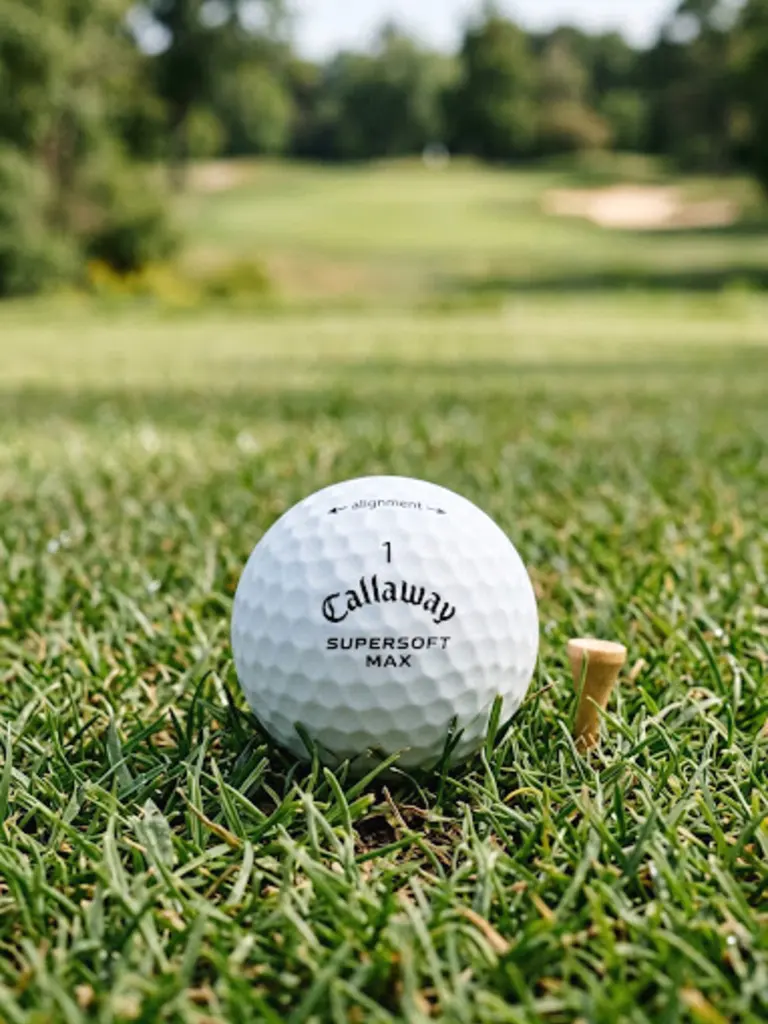
A matte finish golf ball swaps shiny gloss for a flat, velvety coating. Volvik popularized this look with its Vivid line. The matte surface cuts glare, so you track the ball better on sunny days.
Play matte balls in bright conditions or if light sensitivity bothers you. They work for high-handicappers who struggle to follow the ball and anyone who likes a modern, premium look.
- Pick matte in bright colors for maximum visibility.
- Expect a slightly different feel. Test a sleeve before buying a dozen.
12. High-Visibility Neon Golf Balls
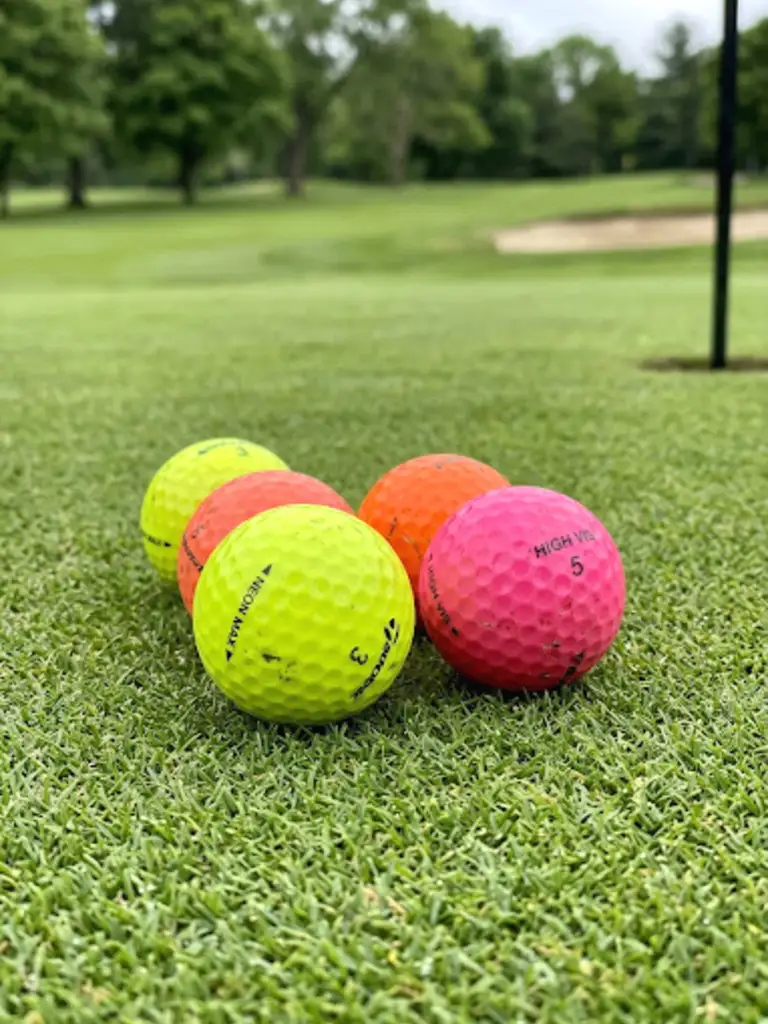
High-visibility golf balls come in neon orange, pink, green, and red. These colors jump out against green grass and brown leaves. Ever spent five minutes searching for a white ball in autumn leaves? Yeah, me too.
Use neon balls in fall, on tree-lined courses, or in low light. They suit beginners and seniors who value faster ball-finding and fewer lost balls over a traditional look.
- Orange works great in leaves, while pink stands out in shaded areas.
- Buy your favorite color in bulk so you always play the same ball.
13. Optic Yellow Golf Balls
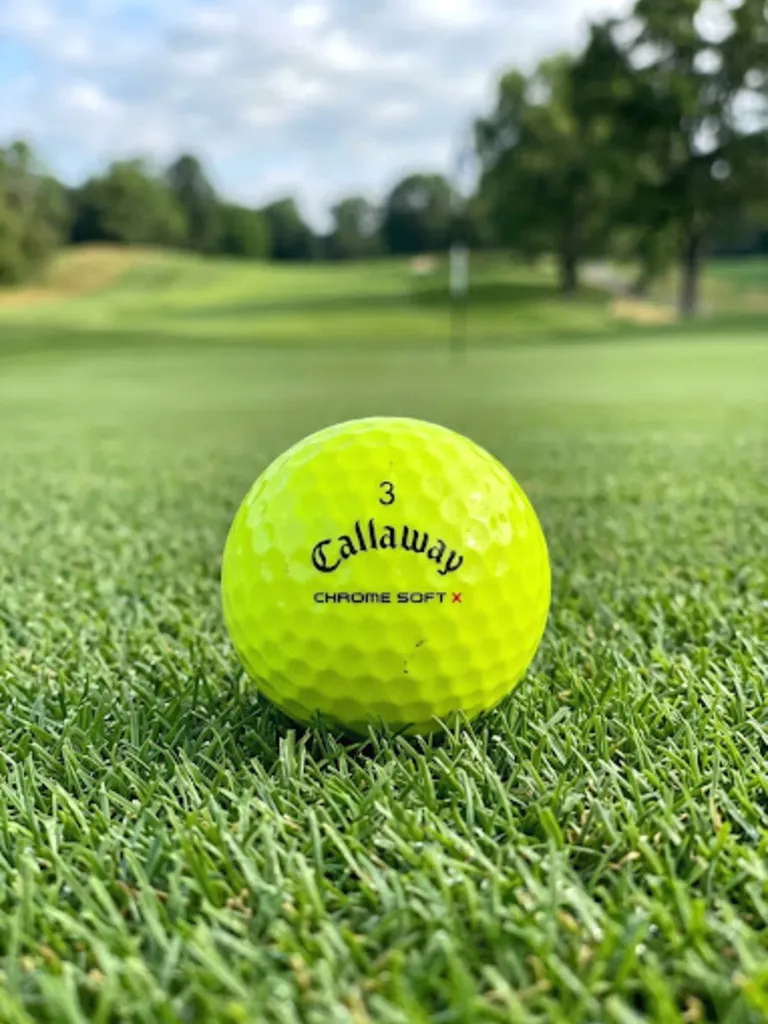
Optic yellow sits between classic white and wild neon. Titleist, TaylorMade, and Srixon all offer tour balls in yellow. Many golfers find yellow easier to track against the sky, especially on cloudy days.
Switch to yellow if you want better visibility without losing tour-level performance. It works for serious players who want premium urethane feel with easier tracking.
- Try yellow on overcast days before making a full switch.
- Remember, color never changes performance. Same model, same flight.
14. Pearl and Metallic Finish Golf Balls
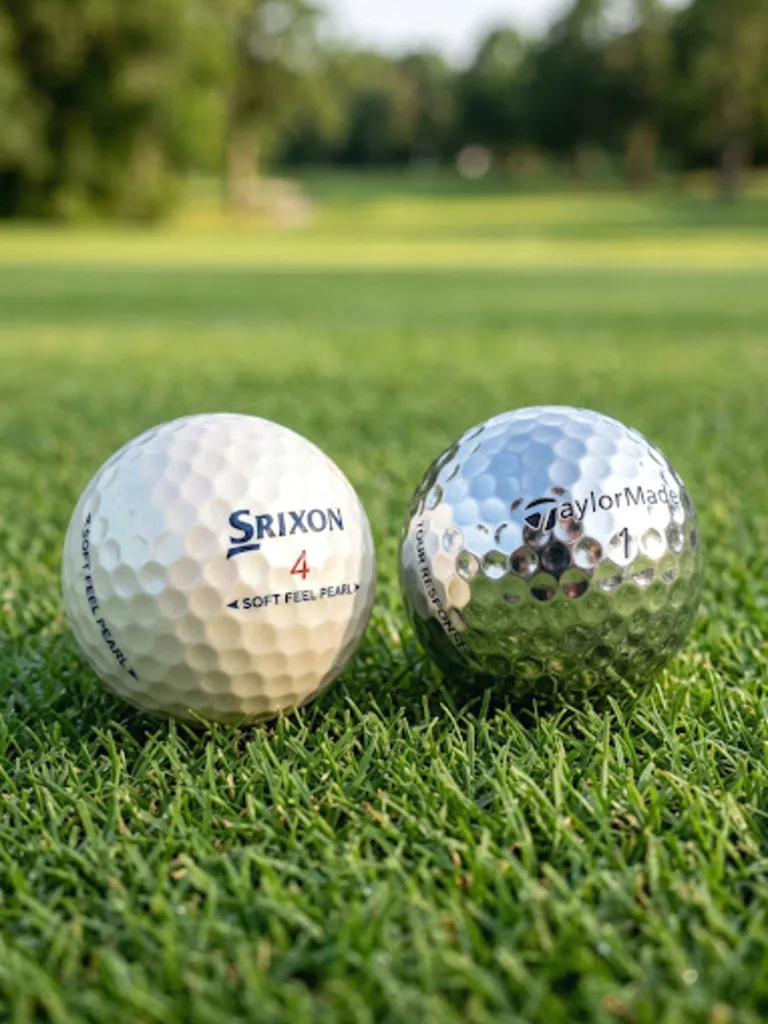
Pearl and metallic finishes add a shimmering, iridescent sheen to the cover. Some brands use pearl coatings on their white balls for a softer, classier glow. It looks elegant in the bag and on the tee.
Choose these for special rounds or if you enjoy a luxury aesthetic. They work well as gifts and for golfers who treat their gear like fashion accessories as much as equipment.
- Keep these clean. Dirt dulls the shine quickly.
- Pair them with a matching headcover set for a full look.
15. Stripe Golf Balls
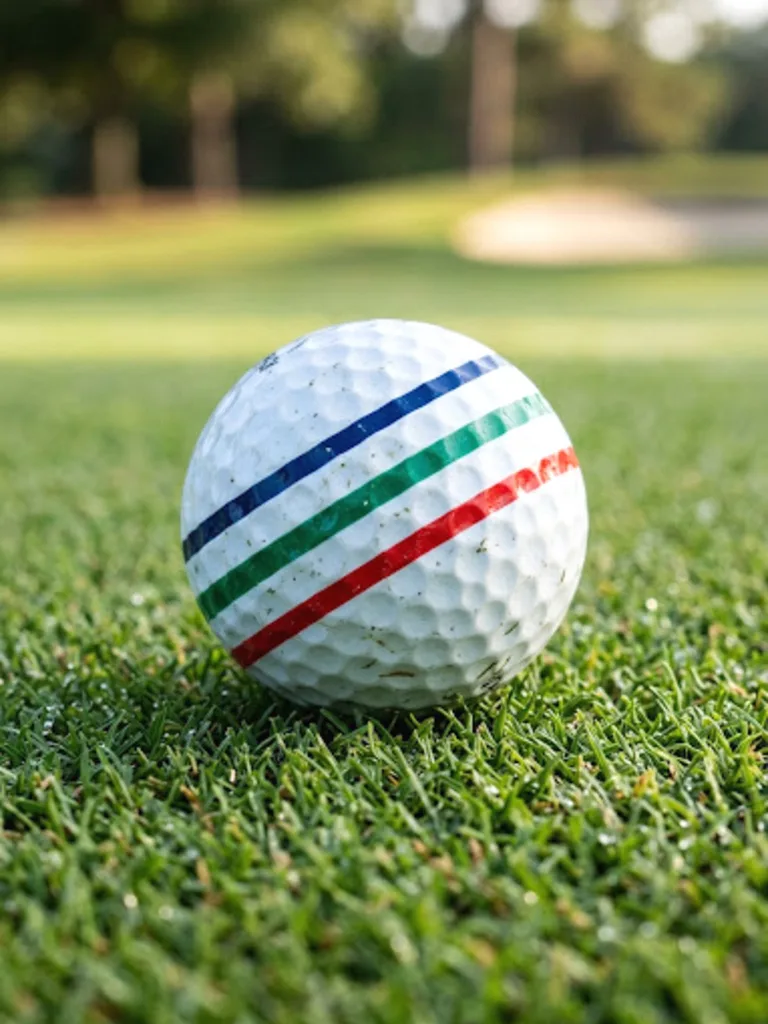
TaylorMade’s Tour Response Stripe wraps a wide colored band around the ball. The stripe gives you a massive alignment aid and shows roll clearly on the green. It’s basically Triple Track’s louder cousin.
Aim the stripe down your line and watch it roll end over end. It suits golfers who want strong alignment help with a softer, affordable urethane ball.
- Check the stripe after a putt. Wobbling means an off-center hit.
- Use the stripe on tee shots to aim at your intended start line.
16. Personalized Text Golf Balls
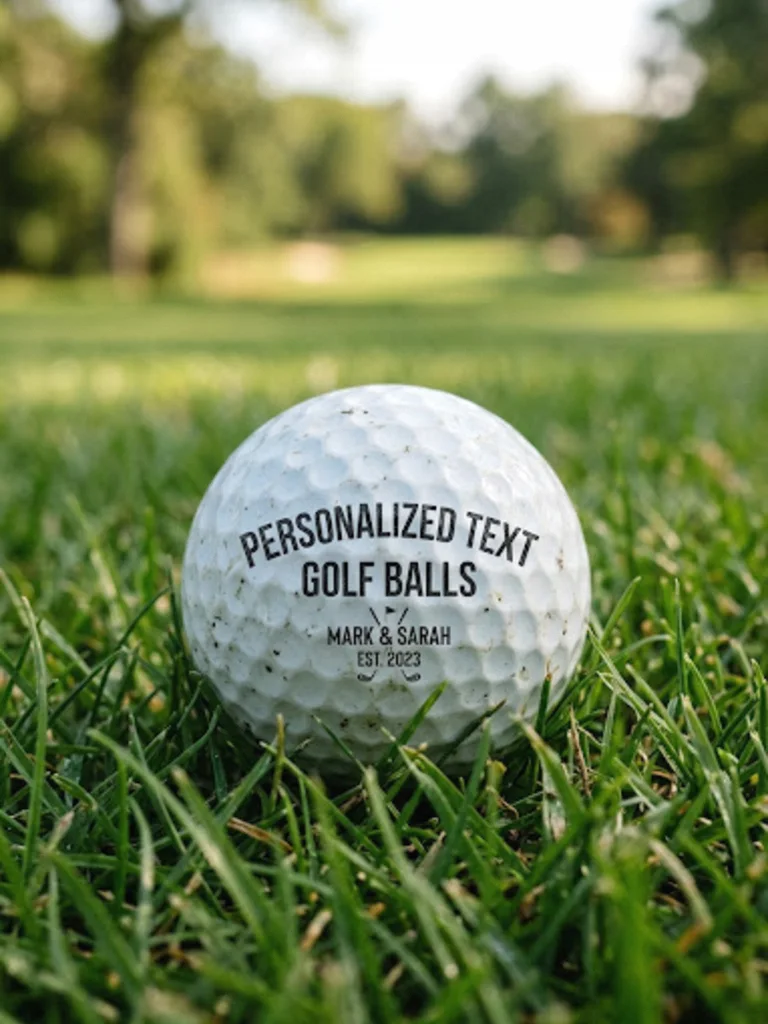
Personalized golf balls feature your name, initials, a nickname, or a funny phrase. Most brands print up to three lines of custom text. They make your ball instantly identifiable and prevent those awkward “is that mine?” moments.
Print short, bold text for easy reading. It works for regular players who share courses with friends using the same ball model, and it helps you follow the rules on identifying your ball.
- Keep text under 17 characters per line for clean printing.
- Order extra dozens in holiday seasons. Printers get slammed.
17. Custom Logo Golf Balls
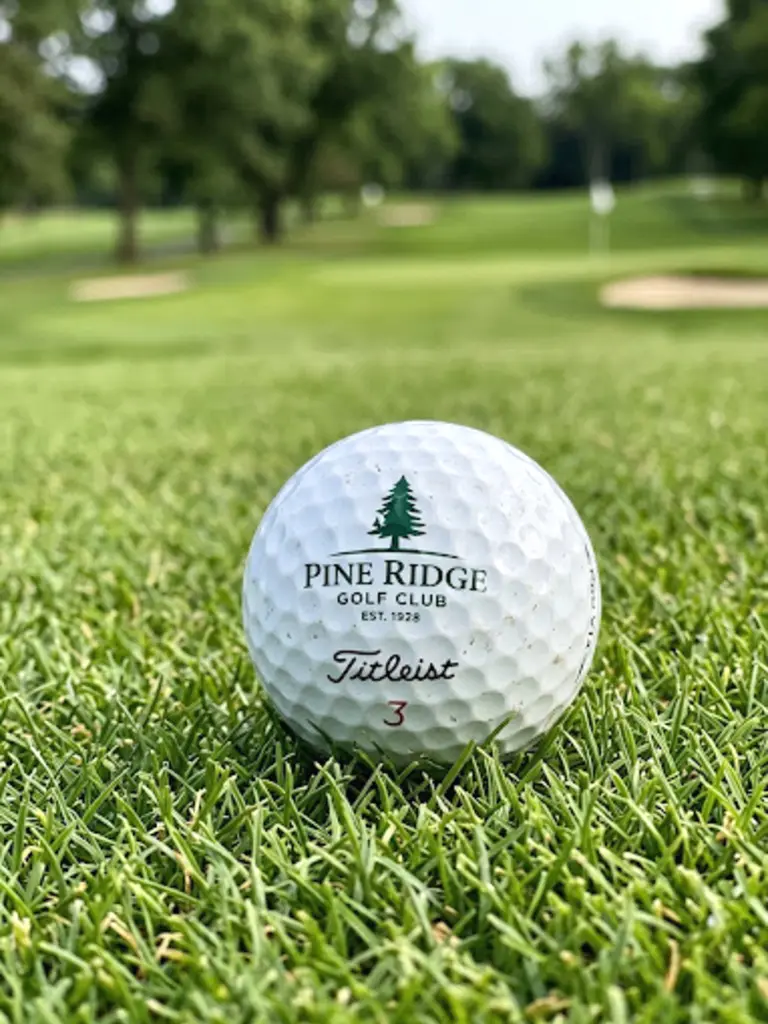
Custom logo golf balls carry a business, club, or event logo on the cover. Companies use them for tournaments, client gifts, and brand promotion. A good logo ball feels professional without screaming “free swag.”
Use a simple, high-contrast logo for the best printing results. This design suits businesses, charity events, and golf clubs that want lasting brand exposure every time someone tees up.
- Send vector files to the printer for crisp, sharp edges.
- Print on a quality ball. Nobody keeps a logo on a rock.
18. Photo-Printed Golf Balls
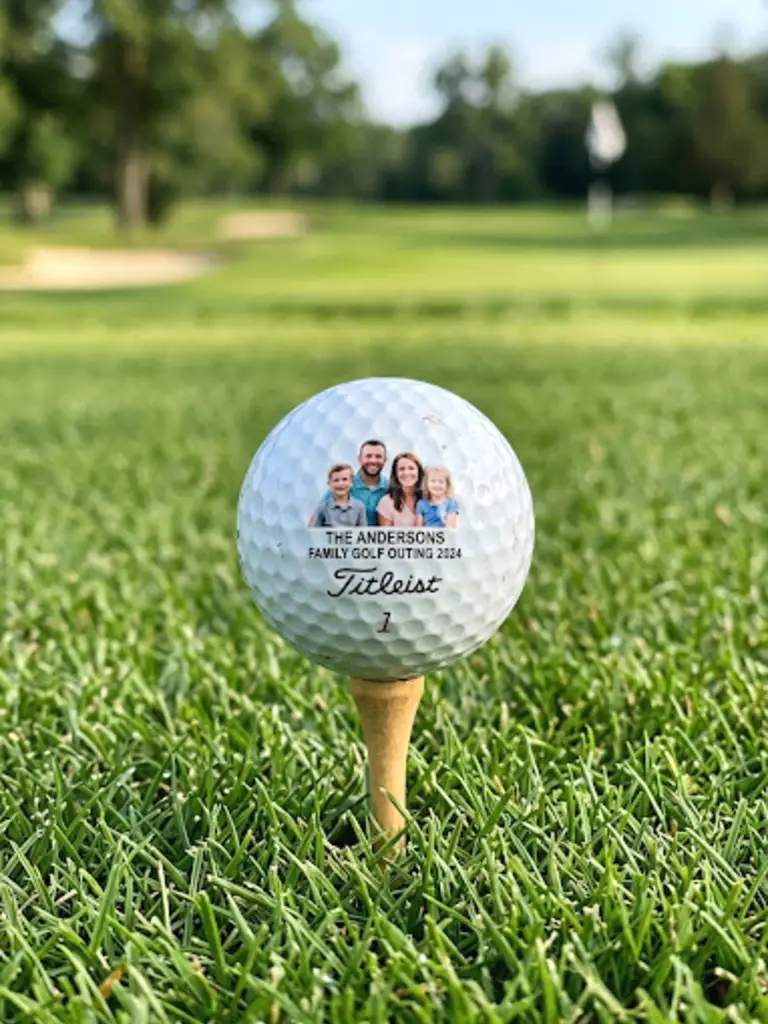
Modern printers put full-color photos on golf balls, from pets to family faces. The image wraps onto one side of the ball in surprising detail. It’s the kind of gift that makes people laugh and then actually keep it.
Choose a close-up photo with a clean background for the best result. It works for birthdays, Father’s Day, and memorable keepsake gifts that rarely see the water hazard.
- Crop tightly around the face or subject before uploading.
- Order a sample first to check color accuracy.
19. Flag and National Pride Designs
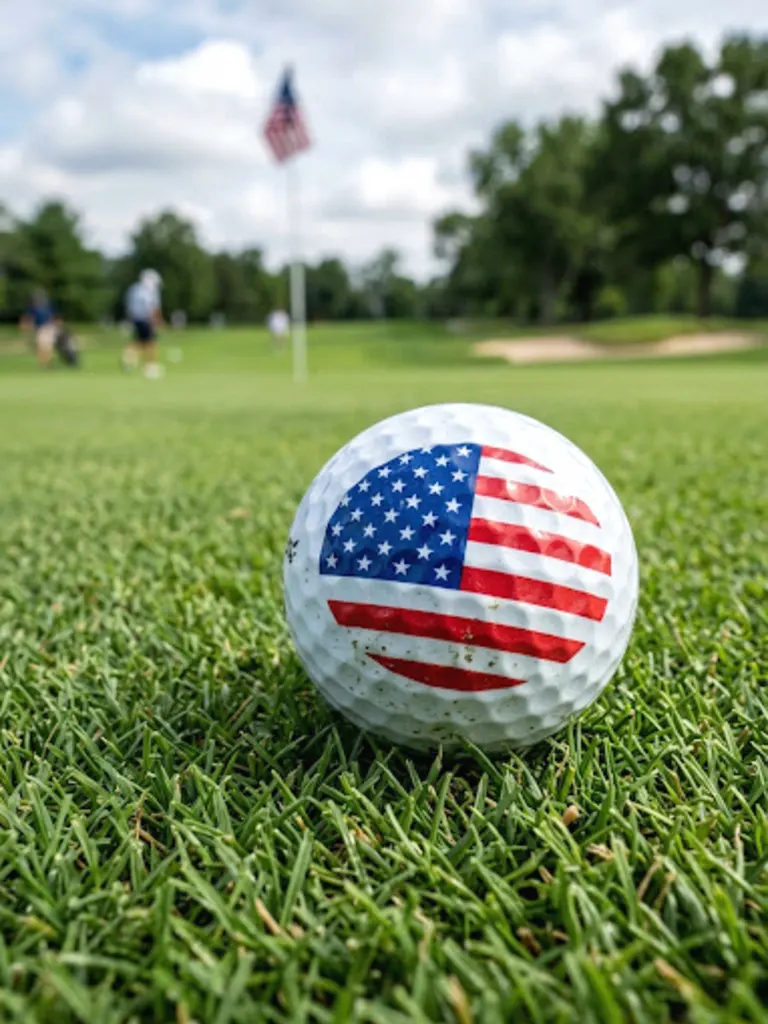
Flag golf balls feature national colors, country flags, or patriotic patterns. They pop up during the Ryder Cup, Olympics, and national holidays. They let you rep your team while you play.
Play them during team events or international trips. They suit Ryder Cup fans, travel golfers, and group outings where everyone shows their colors.
- Order matching balls for your whole foursome.
- Pair with themed ball markers for a complete look.
20. Sports Team and College Logo Golf Balls
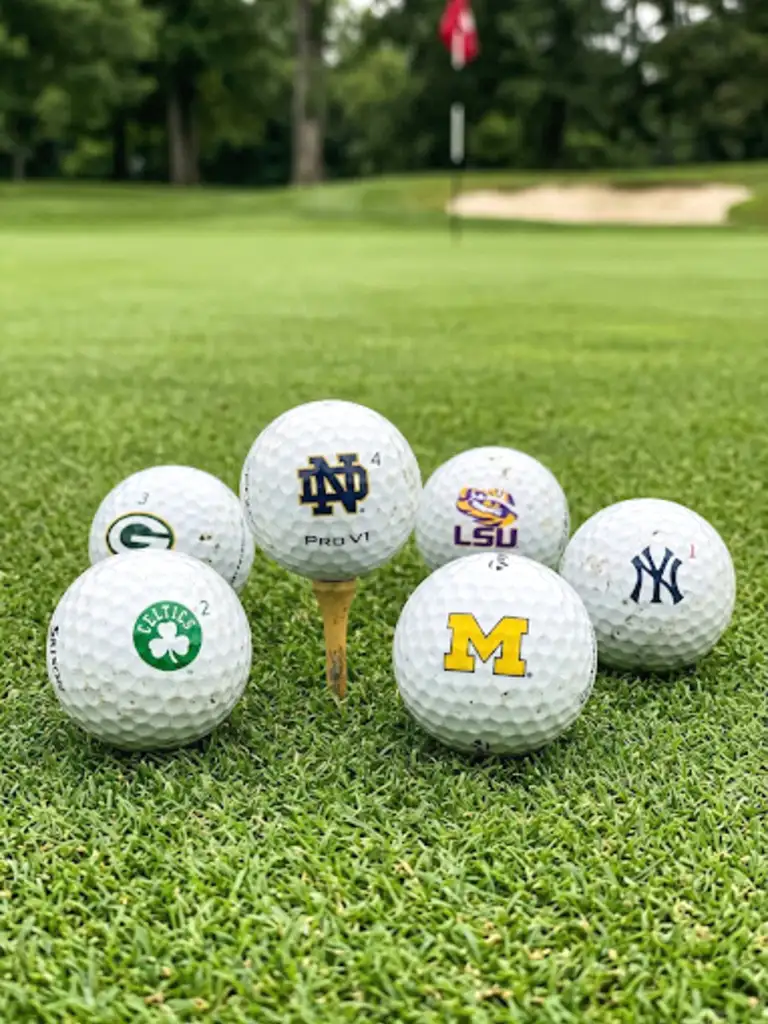
Licensed team logo golf balls display your favorite pro franchise or college colors. They make perfect tailgate gifts and man-cave decor. Nothing starts golf trash talk faster than a rival team’s logo on the first tee.
Buy them as display pieces or play them in fun rounds. They work best for sports fans and alumni who want golf gear with a little personality.
- Buy officially licensed products for quality printing.
- Display a set in a clear ball cube on your desk.
21. Emoji and Fun Face Golf Balls
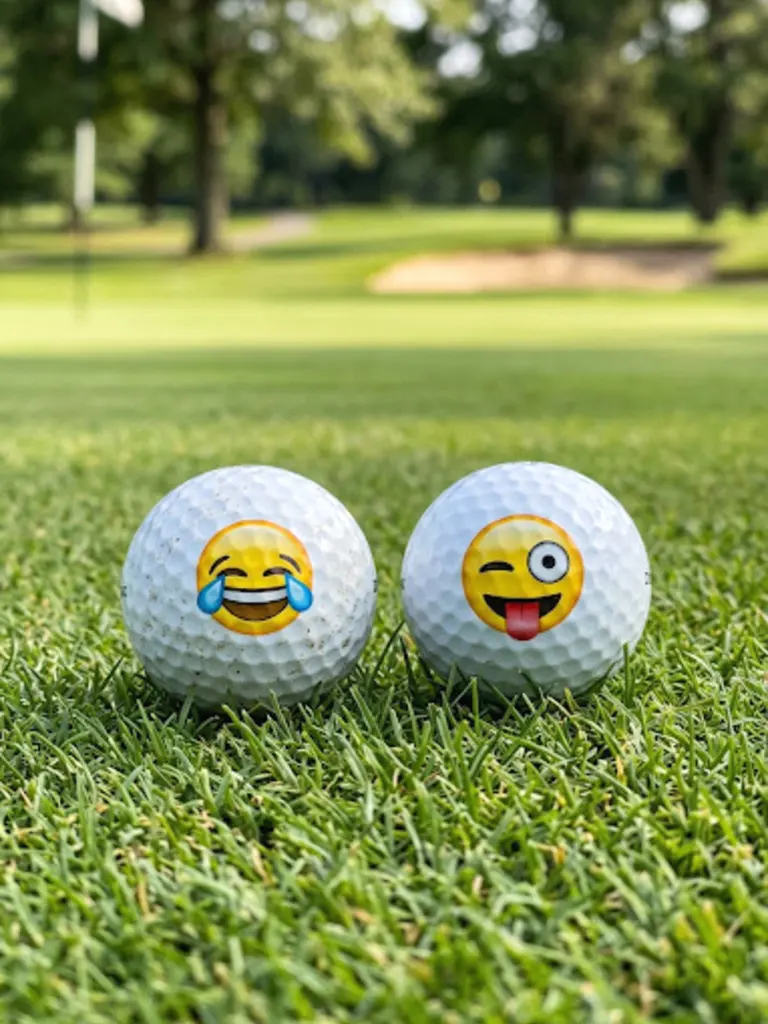
These balls print emoji faces, cartoon expressions, or silly designs on the cover. Picture a smiley face staring at you before a 4-foot putt. It either relaxes you or mocks you. No in-between.
Use them for casual rounds, kids, and golf with friends. They work because they lighten the mood and reduce pressure, which helps anxious golfers swing freely.
- Great for introducing kids to golf with a playful vibe.
- Keep one in your bag for pressure-free practice holes.
22. Holiday-Themed Golf Balls
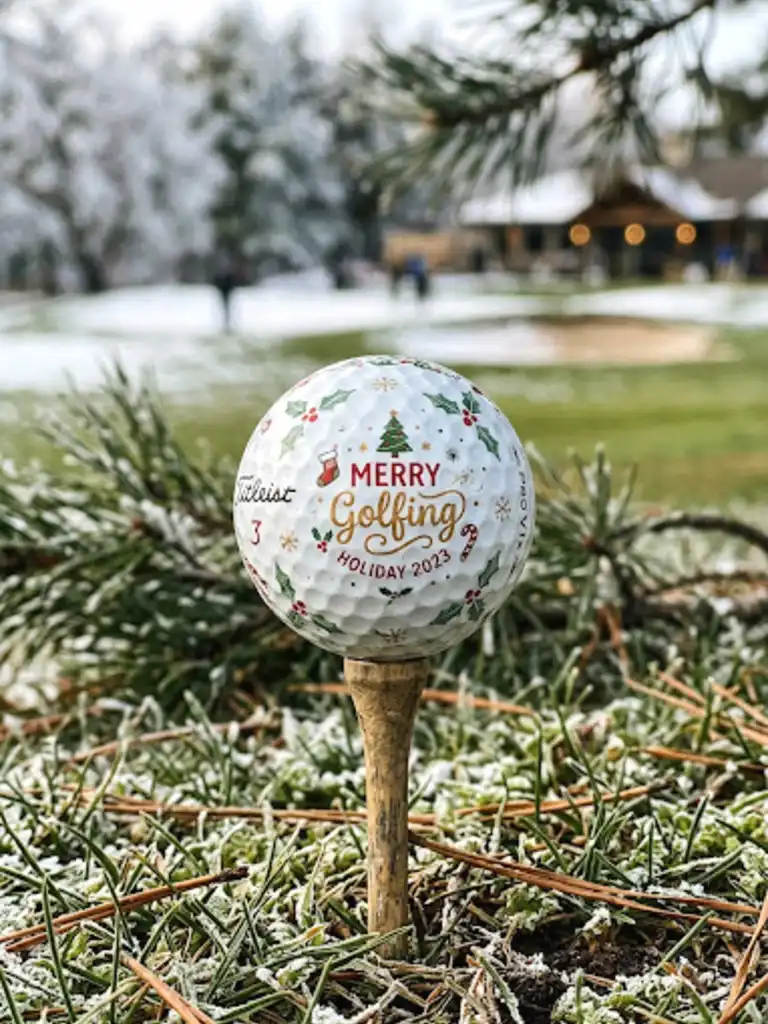
Holiday golf balls feature snowflakes, pumpkins, shamrocks, or hearts. Brands and custom printers roll out seasonal designs every year. They make golf feel festive, even when you top your drive into the pond.
Gift them in stockings or play them during themed scrambles. They suit seasonal gift-givers and social golf leagues that love a bit of fun.
- Order holiday designs at least 3 weeks early.
- Mix a few seasonal balls into a gift set with tees and markers.
23. Glow-in-the-Dark Golf Balls
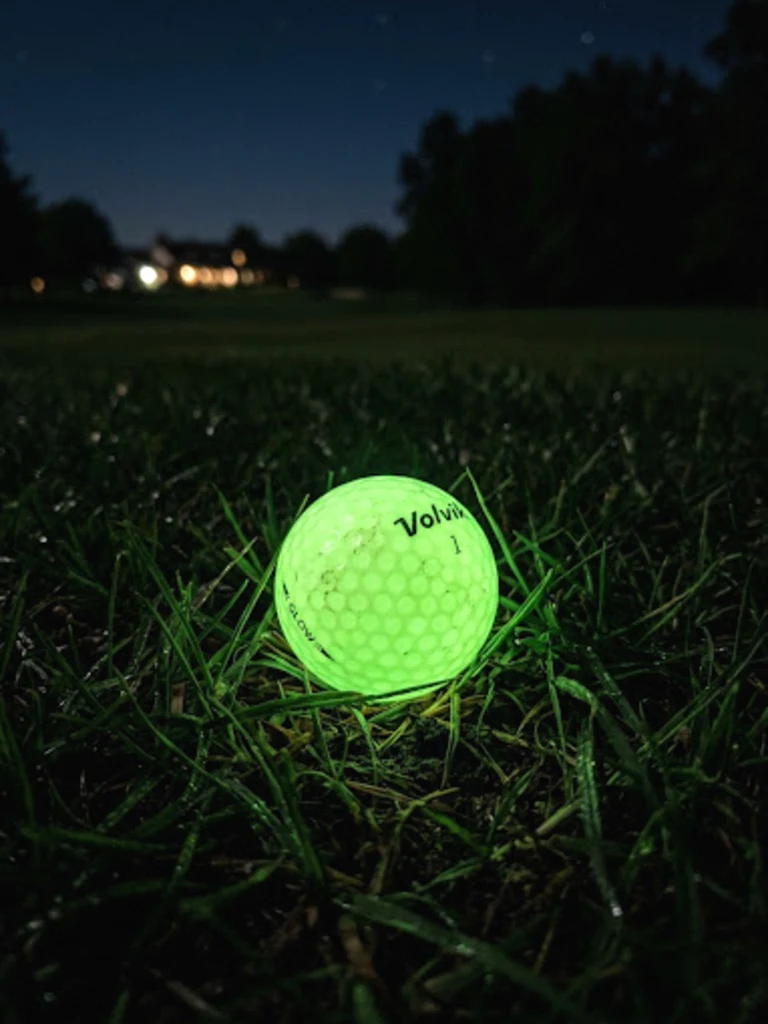
Glow-in-the-dark golf balls use a phosphorescent cover that absorbs light and glows after dark. You charge them with a UV flashlight between holes. Night golf suddenly becomes possible and ridiculously fun.
Charge the ball for 30 seconds before each shot for the best glow. They work for night scrambles, backyard chipping, and bachelor-party rounds.
- Carry a small UV flashlight in your bag.
- Don’t expect tour performance. These balls prioritize fun.
24. LED Light-Up Golf Balls
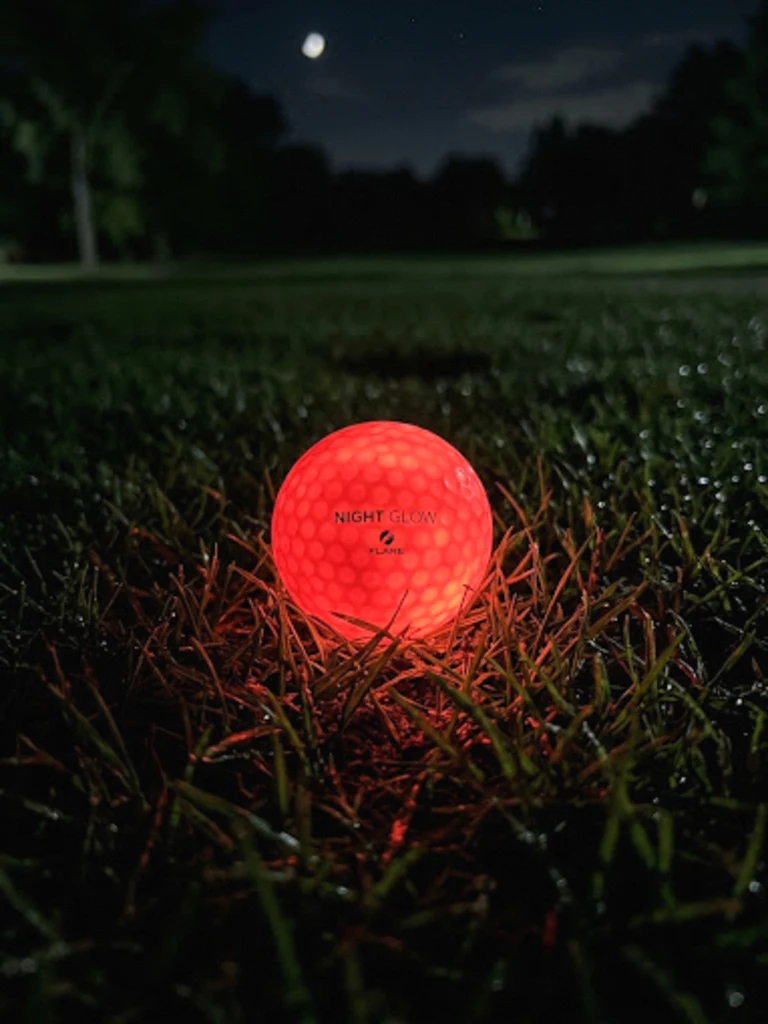
LED golf balls hide a small light inside that activates on impact. They glow brightly for several minutes, so you spot them from far away. Think of them as glow balls with a battery-powered upgrade.
Use them for night events or dusk practice. They suit charity night-golf tournaments and social outings where visibility beats distance.
- Check battery life before your event.
- Choose different colors for each player to avoid mix-ups.
25. Camo Pattern Golf Balls
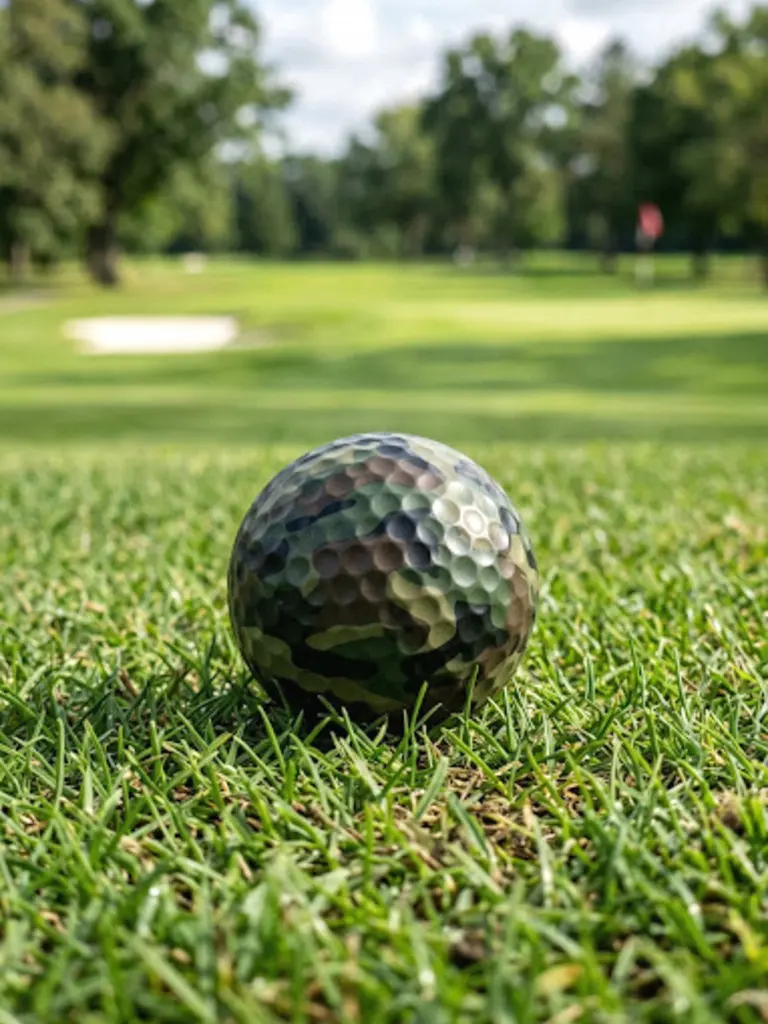
Camo golf balls print hunting-style camouflage patterns on the cover. Yes, the irony writes itself. You’re camouflaging an object that you desperately want to find.
Play them as novelty gifts or conversation starters. They work for outdoorsy golfers and hunting buddies who appreciate the joke more than the scorecard.
- Choose blaze-orange camo if you actually plan to find it again.
- Gift them with a camo towel for the full effect.
26. Drip and Splatter Art Designs
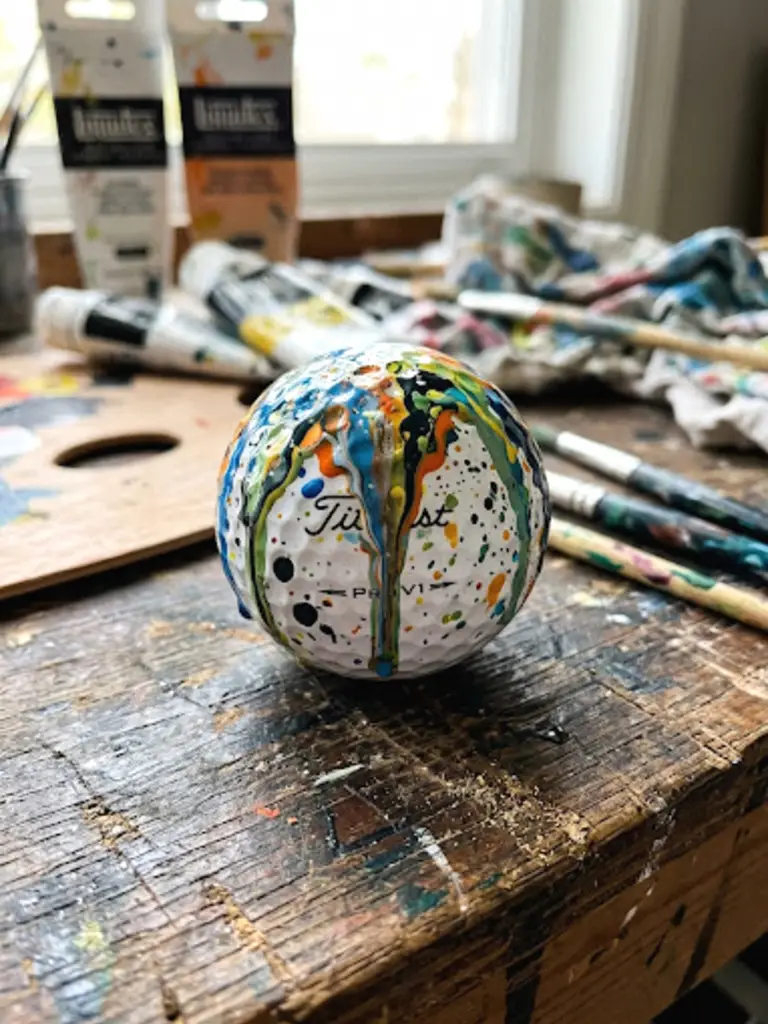
Vice Golf’s Drip line covers balls in paint-splatter and drip graphics. These designs look like modern art and stand out in any bag. They prove a golf ball can have real personality.
Play these if you love bold style and want your ball to look unique. They suit younger golfers and style-driven players who treat golf as self-expression.
- Pick a drip color that contrasts with the base for visibility.
- Order direct from brands for the freshest limited editions.
27. Multi-Layer Tour Construction
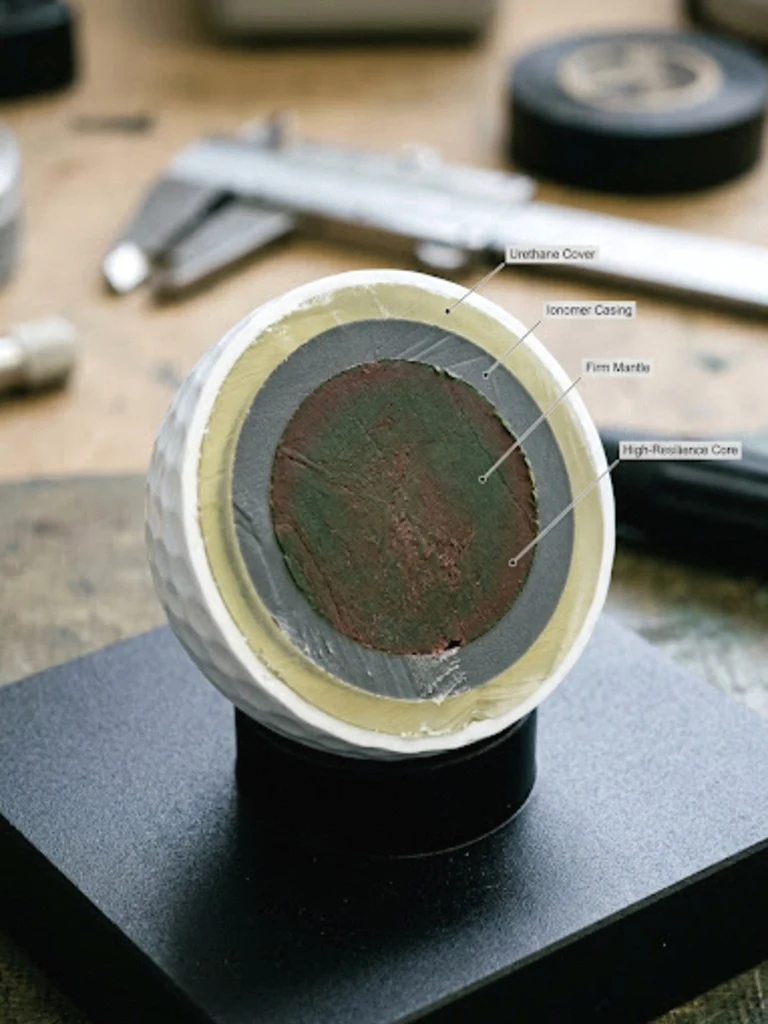
Some golf ball designs happen inside the ball. Multi-layer golf balls stack a core, one or more mantle layers, and a thin urethane cover. TaylorMade’s TP5 uses five pieces. Each layer controls speed, spin, and feel at different swing lengths.
Choose multi-layer balls if you have solid swing speed and want spin control around the greens. They work because each layer activates on specific shots, from drivers to delicate chips.
- Get a free ball fitting at your local golf shop.
- Don’t play these if you lose six balls a round. Your wallet will cry.
28. Two-Piece Distance Golf Balls
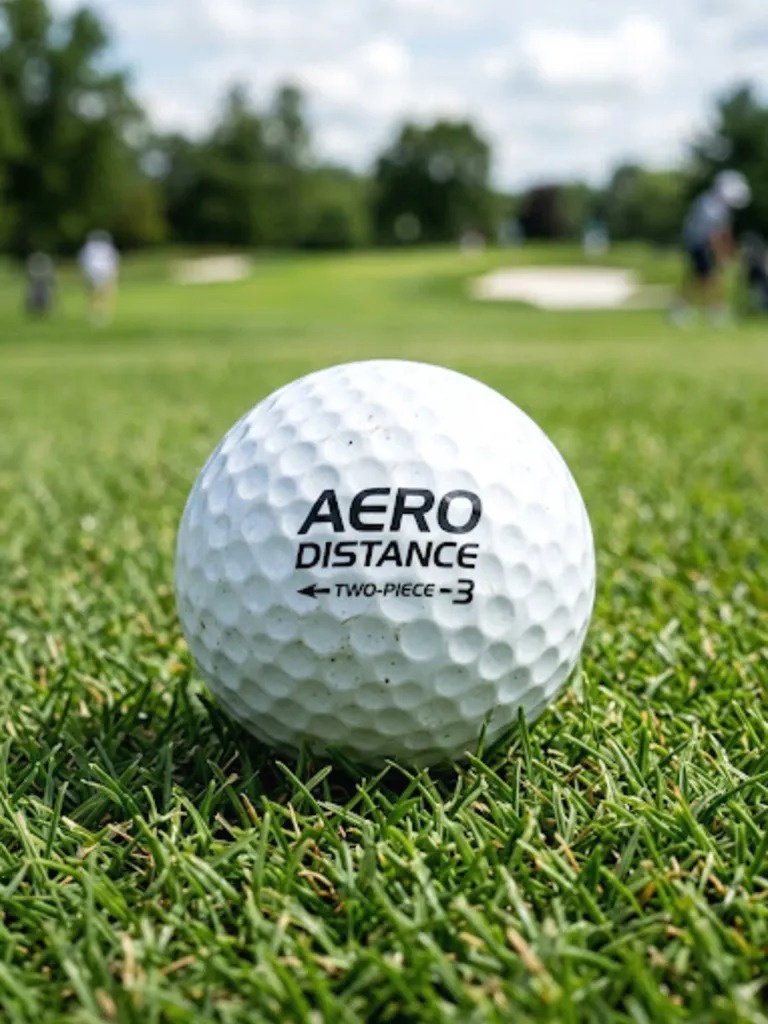
Two-piece golf balls combine a large rubber core with a durable ionomer (Surlyn) cover. They launch high, spin less, and resist scuffs. The Callaway Supersoft and Titleist Velocity fall into this category.
Play these if you fight a slice or want more roll. They suit beginners and high-handicappers because low spin reduces side spin and keeps shots straighter.
- Use them for practice rounds to save money.
- Expect less stopping power on greens. Plan for extra roll.
29. Low-Compression Soft Golf Balls
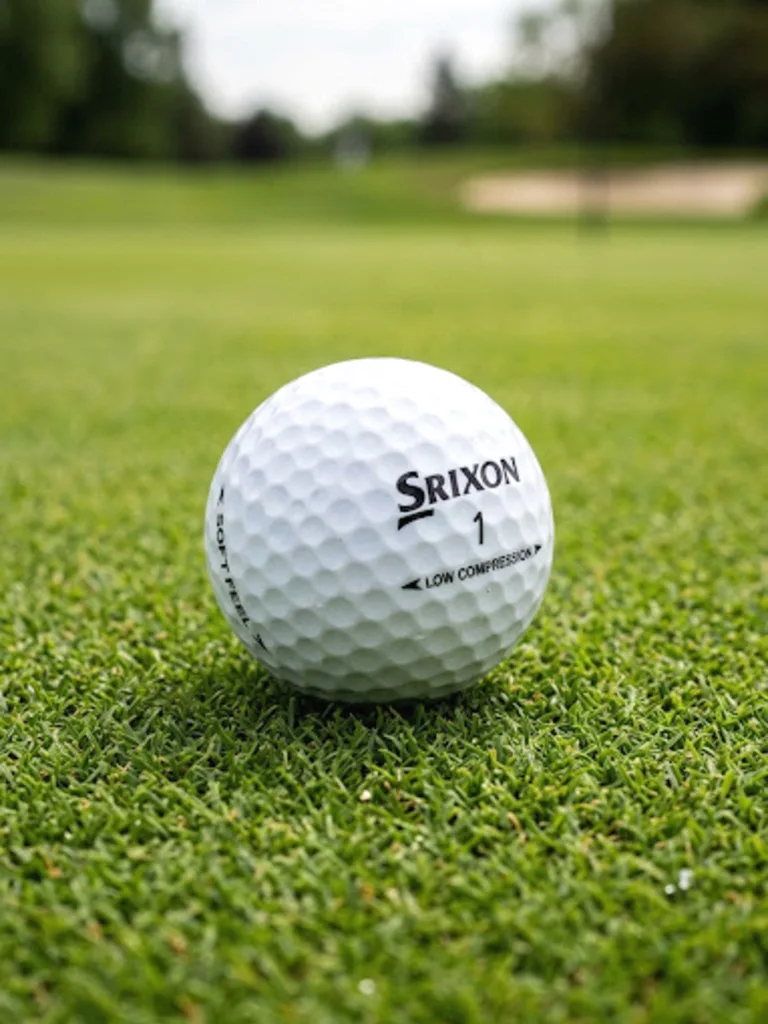
Low-compression golf balls use a soft core that compresses easily at slower swing speeds. The Wilson Duo Soft and Callaway Supersoft lead this category. Soft feel meets surprising distance.
Play them if your driver swing speed sits under roughly 90 mph. They work because a softer core transfers energy efficiently for slower swings, helping seniors, juniors, and many women gain distance.
- Ask a pro to measure your swing speed for free.
- Pair a soft ball with a lightweight shaft for extra carry.
30. Self-Correcting Golf Balls
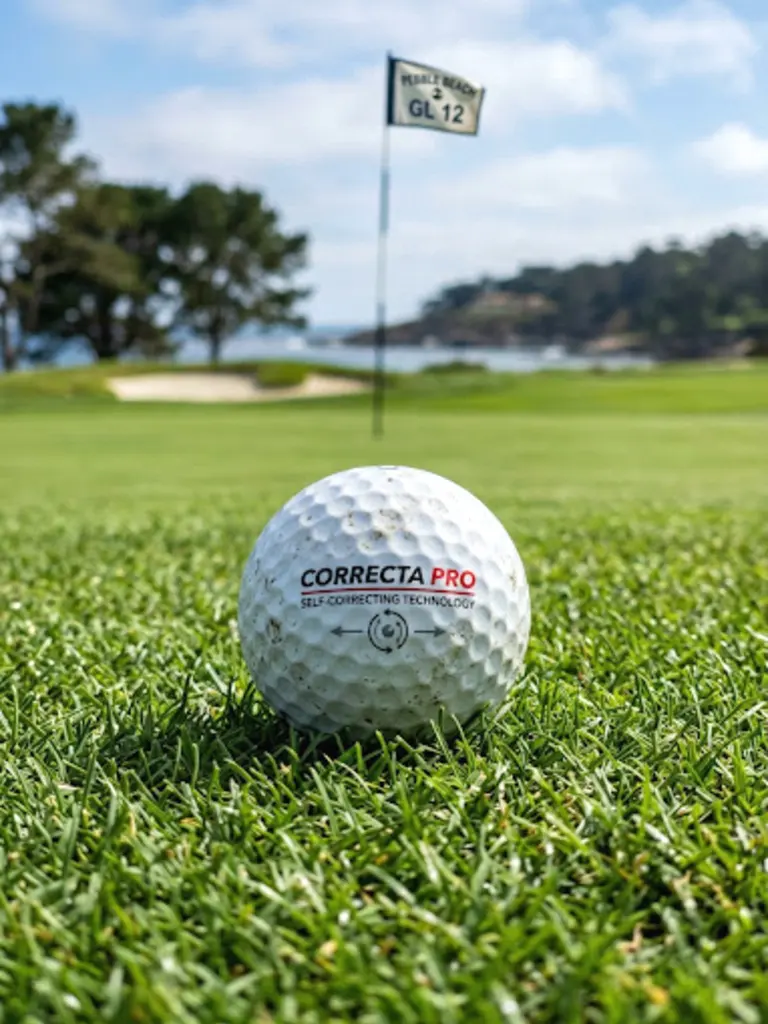
The Polara golf ball uses an asymmetric dimple pattern with shallow dimples around the equator and deeper ones at the poles. This design reduces hooks and slices dramatically. It feels like cheating because, well, it kind of is.
Align the marked line toward your target and swing. It suits casual golfers who slice constantly and just want to enjoy the round. FYI, the USGA doesn’t approve it for official play.
- Never use it in tournaments or handicap rounds.
- Treat it as a confidence builder, not a swing fix.
31. Eco-Friendly Biodegradable Golf Balls
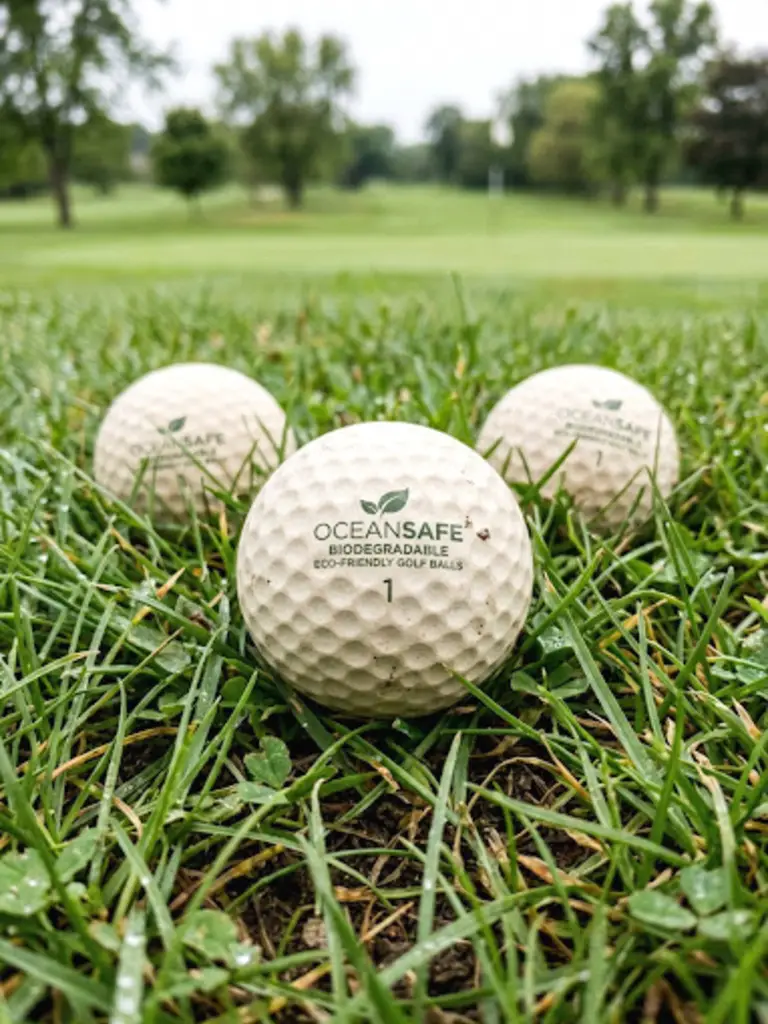
Biodegradable golf balls break down in water or soil over time. Cruise ships, resorts, and lake-side ranges use them to avoid pollution. Some versions even contain fish-safe materials.
Use these when hitting into oceans, lakes, or protected areas. They suit eco-conscious golfers and water-range owners who want fun without leaving trash behind.
- Don’t expect standard distance. They trade performance for sustainability.
- Consider recycled golf balls as another green option for regular rounds.
32. Vintage Featherie, Gutty, and Bramble Replicas
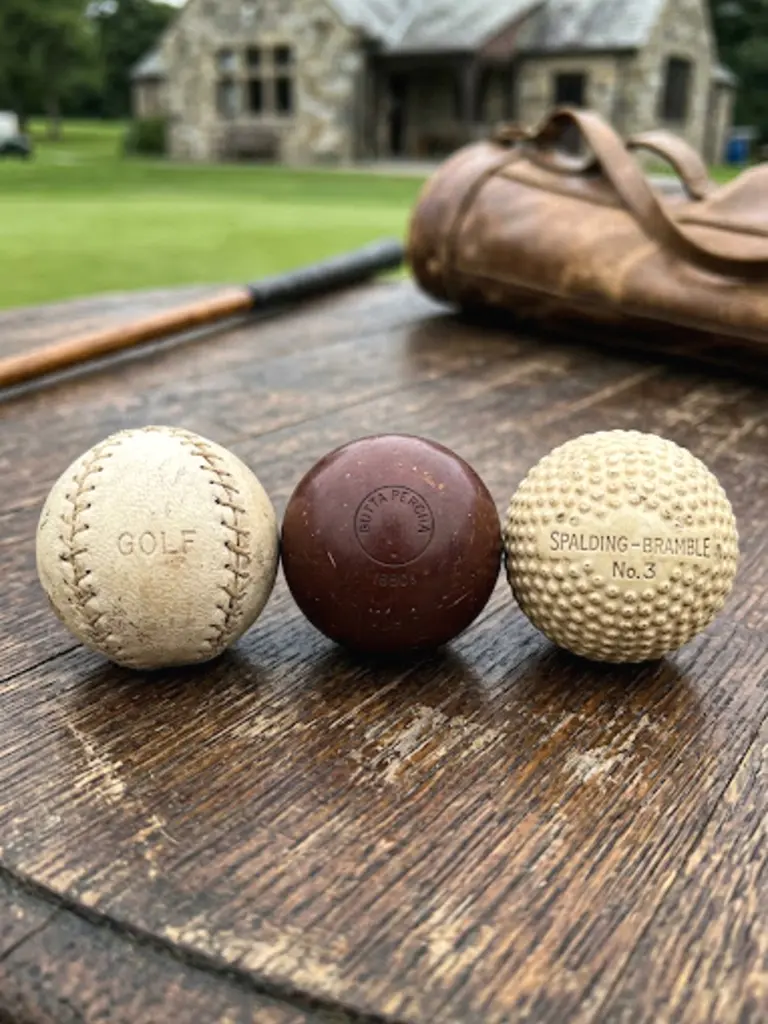
Early golf balls looked wildly different. The featherie stuffed boiled goose feathers inside leather. The gutty, made from gutta-percha sap, arrived around 1848. Later, the Haskell rubber-core ball and its raised bramble pattern paved the way for modern dimples.
Display replicas in your office or gift them to golf history buffs. They work as conversation pieces and collector items that show how design shaped the game.
- Buy a replica set with a small history card for gifting.
- Pair with a vintage hickory club for a classic display.
33. Wedding and Event Favor Golf Balls
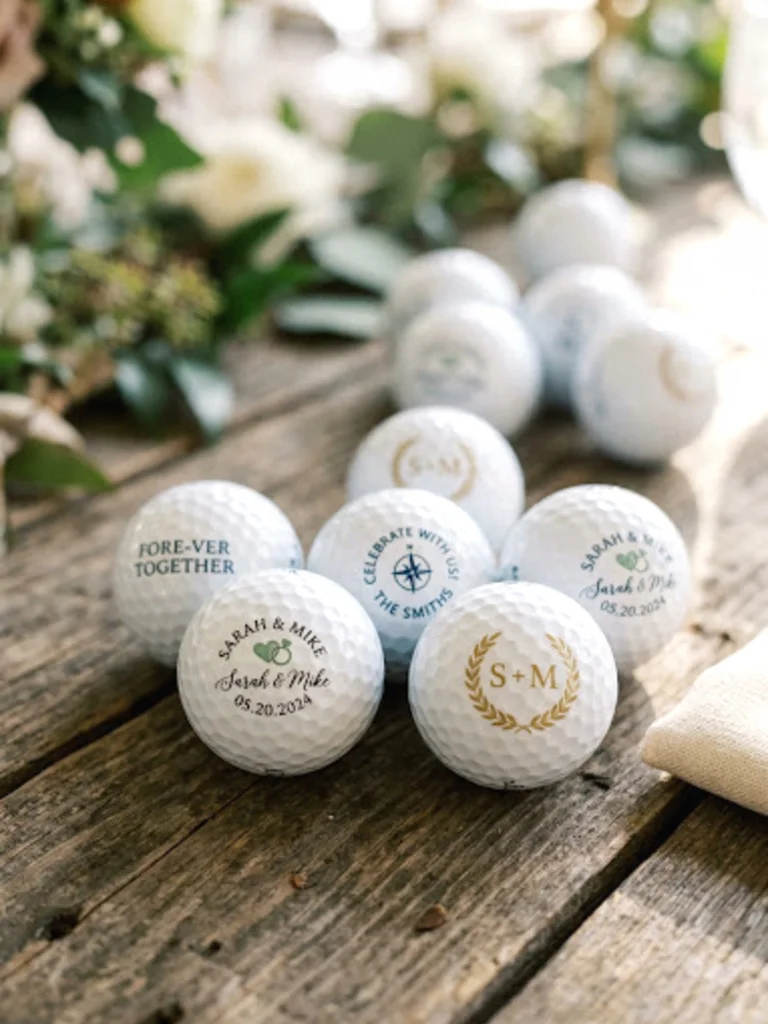
Wedding golf balls print names, dates, and monograms for guests to take home. Couples use them as favors, and golf groups print them for anniversaries or retirements. They make a small, useful keepsake.
Print a clean monogram with the date in a matching color. They suit golf-loving couples, retirement parties, and milestone events that want a memorable, playable souvenir.
- Present them in a small box with a matching tee.
- Choose a mid-range ball so guests actually play them.
My Personal Experience with Different Golf Ball Designs
I played cheap two-piece balls for years because I lost plenty of them. Then a buddy handed me a sleeve of Triple Track balls, and my putting improved within a week. Alignment designs genuinely helped me start putts on line.
I also tested matte neon balls during a fall trip. I found every single one, which never happens in October leaves. IMO, visibility designs deliver the biggest value for average golfers, more than any fancy dimple pattern.
What I Learned
- Performance designs (dimples, layers) matter most for low handicappers.
- Visual designs (alignment, color) help beginners and mid handicappers most.
- Custom designs make the best gifts, hands down.
How to Maintain Your Golf Balls
Clean balls fly better. Mud and grass in the dimples disrupt airflow and can throw your shot offline. FYI, even a small clump of dirt changes ball flight.
Simple Cleaning Steps
- Soak dirty balls in warm water with a drop of dish soap for 10 minutes.
- Scrub gently with a soft brush, working into the dimples.
- Rinse and dry with a microfiber towel.
- Store them in a cool, dry place away from direct heat.
When to Replace a Ball
- Replace any ball with deep cuts or scuffs on the cover.
- Retire balls that sat in water for weeks. They lose distance.
- Rotate out old balls after a few rounds if you play premium urethane.
My Top Recommendations by Golfer Type
- Beginners: Two-piece distance balls in neon colors.
- Mid handicappers: Triple Track or stripe designs for alignment help.
- Low handicappers: Multi-layer urethane balls with seamless covers.
- Seniors and slower swings: Low-compression soft balls.
- Gift buyers: Personalized, photo-printed, or wedding favor balls.
- Night owls: LED or glow-in-the-dark balls.
Final Thoughts on Golf Ball Designs
Golf ball designs cover way more ground than most golfers realize. Dimple patterns control flight, multi-layer construction controls spin, alignment graphics sharpen your aim, and custom prints add personality. The right choice depends on your swing, your goals, and how often you visit the woods.
So try something new. Grab a sleeve of a design you’ve never played and test it for a round or two. Save this post, pin your favorite idea, or show it to your golf buddies before your next round. Who knows? Your new favorite ball might be one sleeve away. ⛳
Frequently Asked Questions
Do golf ball designs really affect performance?
Yes. Dimple patterns, cover materials, and core construction directly affect distance, spin, and flight. Colors and graphics don’t change performance, but they help with visibility and alignment.
How many dimples does a golf ball have?
Most golf balls have between 300 and 400 dimples. The exact number matters less than dimple shape, depth, and arrangement.
Are colored golf balls legal in tournaments?
Yes. The USGA and R&A allow any color, as long as the ball conforms to their size, weight, and performance rules.
Which golf ball design is best for beginners?
Two-piece, low-compression balls in bright colors work best. They reduce side spin, feel soft, and stay easy to find.
Can I put my own design on a golf ball?
Absolutely. Most major brands and online printers offer custom text, logos, and photos on quality golf balls.